Download the app


© 2026. The Purpl Co Limited. All rights reserved.


Download the app
© 2026. The Purpl Co Limited. All rights reserved.
7 min read
Written by
Purpl
Published on
April 2, 2025
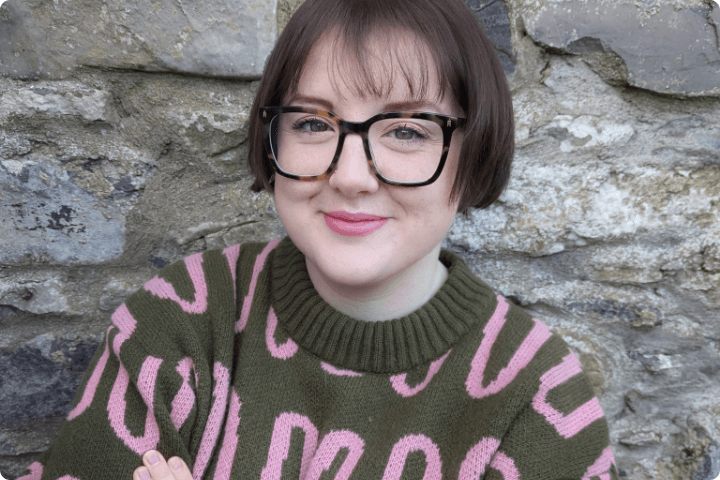
Today, on World Autism Awareness Day, we’re shining a light on the real experiences of autistic people, beyond the stereotypes, misconceptions, and surface-level awareness. Too often, autism is reduced to a checklist of traits, failing to capture the lived reality of those on the spectrum. From the challenges of masking to the importance of true inclusion, this conversation aims to highlight what really matters.
At Purpl, we are a community for disabled people, and this includes austic people, neurodivergent people and those with chronic illnesses. We understand that lots of people choose to not use the term ‘disabled’ about themselves. But we use the social model of disability because we are a community of people who are disabled by society because of how our bodies or minds work in a different way.
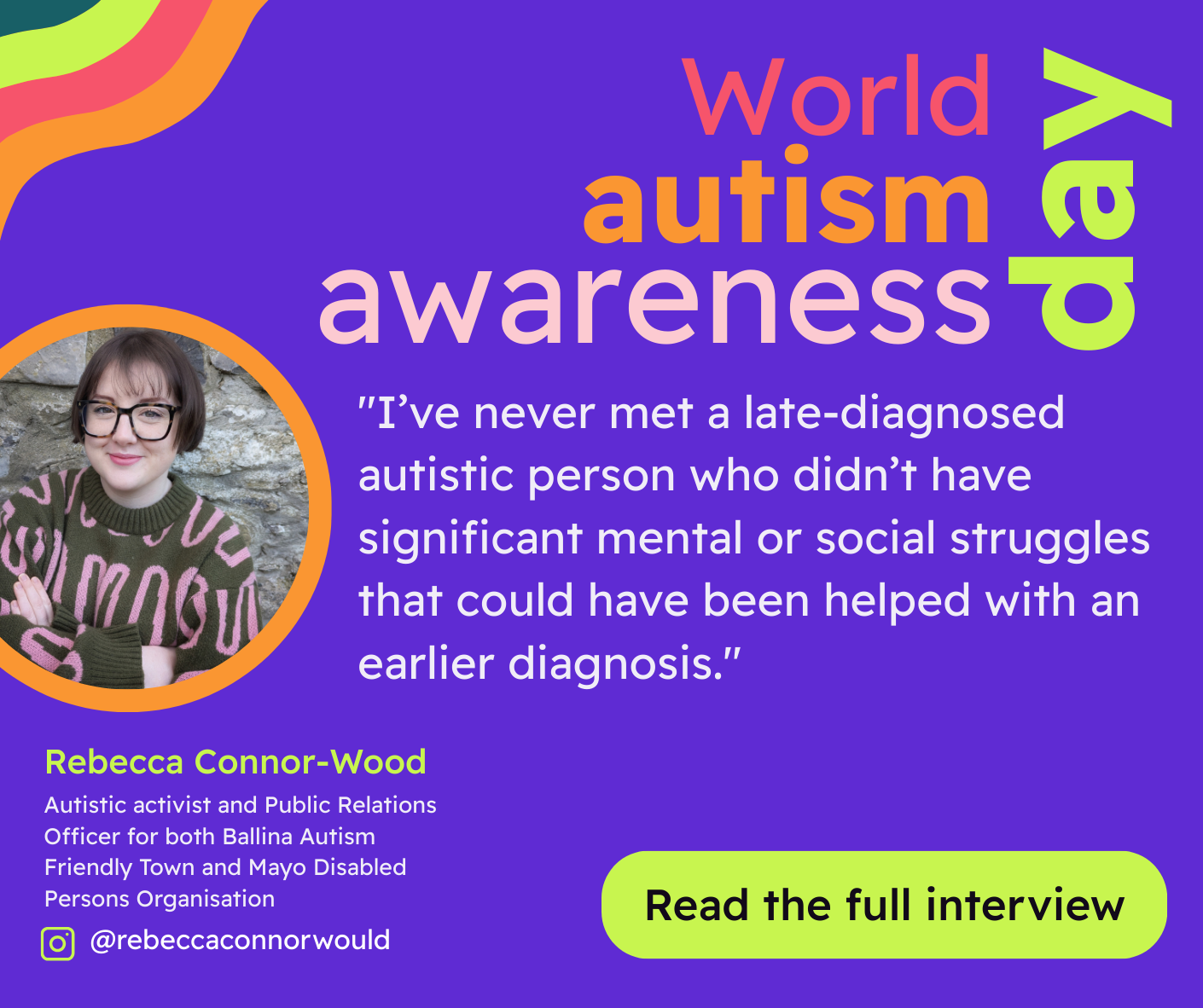
To help us explore these conversations, we spoke with Rebecca Connor-Wood, an autistic activist. We want to hear the voices of everyone in our community and so today, Rebecca is sharing her insights on autism advocacy, the struggles of being late-diagnosed, the impact of poor media representation, and what true acceptance looks like.
I decided to go back to university and do ‘Autism Studies’, this made me more aware of the limitations of our community here in Ireland. I felt that there was a lack of conversation from autistic people themselves out in the open here, so I decided to add to it. I felt a real urge to speak out as an adult for the next generation of autistic kids and hopefully some of our input will change their outcomes.
That being Autistic is completely normal. Evolutionarily speaking, diversity is how we survive as a species, we’re not all meant to be the same. We’re here because nature meant for us to be. We’re entitled to our spot in humanity just as much as the neurotypical community.
Absolutely. The autistic experience is almost always represented in a very limited and pathologising light. It implies there’s something ‘wrong’ with us, rather than there just being something different about us. You rarely see mainstream media focus on positive news regarding the autistic community, it’s always either deficit focused or a pity party, neither of which truly represents us.
I’m 30 years old and this is still the biggest struggle for me. In any scenario outside the safety of my own home I have to continuously remind myself that it’s safe to be me. It’s okay to move around if I need to, it’s okay to say something that may be perceived as weird, it’s okay to be loud, but it’s also okay to sit back on the sidelines if I need to. I try to ask myself “Would you try to control your best friend’s behaviour like this?”; the answer is always no, so we shouldn’t treat ourselves this way.
The empathy misconception – the bizarre idea that Autistic people are cold, calculated and uncaring. We’re the complete opposite to this; in fact, we’re often overly empathetic and can easily become very invested and concerned about others, whether we know them or not. Other people (and animals) successes and failures really really concern me and I know this is the case for so many autistic people, we’re often hyper empathetic and it’s an amazing trait to have in my opinion but it can also be very draining.
The white male stereotype, for sure. The idea that only white boys and men are autistic. There are autistic people in every community and focusing solely on the experience of white men does a disservice to the wider community.
Masking or Camouflaging is the term used for when an autistic person alters their behaviour, image and/or opinions to suit what they perceive to be society’s perception of ‘normal’. In other words, we put a mask on in order to fit in. Masking is especially common in autistic girls and women.
It can have a huge impact on a person’s wellbeing. Imagine spending your whole life acting, whilst in fear of people recognising this? It’s exhausting. A lot of people end up with chronic anxiety or other mental health issues from the prolonged state of fear we find ourselves living in. I actually developed a seizure disorder from masking my whole life. I spent so long suppressing my emotions that my brain essentially found a way around this; my stress started to come out in a physical way (the seizure) instead of coming out in an emotional way (an autistic meltdown).
Through my advocacy work I’ve met lots of autistic kids who are living their lives unmasked (or as close to as possible), and I’ve met some amazing parents and guardians who are encouraging this. Seeing these children flourish and being themselves in a comfortable and supportive environment has been a really healing experience.
Kindness. If they could do one thing it would be to have kindness at the forefront when dealing with the autistic community. In regards to autistic adults; too many people are quick to judge, they make jokes about the awkward person in the staff room or roll their eyes at the ‘silly’ accommodation someone has requested. These things make it very difficult for us to ask for support or feel like we deserve it. More kindness would go a long way.
That there are positives to being autistic – we’re all fed such a negative narrative on autism that I’ve had people be genuinely shocked that I’m very happy to be autistic. We’re such interesting people, we’ve got huge hearts, unique interests and perspectives and I personally have never met more colourful characters anywhere else in my life.
I’ve never met a late diagnosed individual that hasn’t had significant mental or social challenges that could have been helped or prevented had they been diagnosed on time. The emotional exhaustion of spending your life analysing every single thing you do, say or think is immense. I spent decades wondering why everything I did was ‘wrong’ or ‘weird’. Why didn’t I just ‘get it’? This has had very negative consequences in my life.
100%, I grew up very close to my fellow female cousins. I genuinely used them as benchmarks for how I should act/look/think. I used to watch people closely and analyse how they acted, what they liked or disliked and altered myself accordingly. When I was around 12, I read books on psychology and body language so I could really get an idea for these things. Turns out that isn’t a standard coming of age occurrence.
Incredibly important – leadership roles, the arts and the media should all mirror society. There are autistic and disabled people everywhere and yet this isn’t reflected in government, businesses, music, art and film. The autistic community has so much to contribute to society and will enrich us politically and culturally if given the opportunity to.
Give yourself time to digest it first. Read up on autism, listen to other peoples experiences, reach out to any services/groups in your area for autistic people. You’ve just found the answer to so many things in your life and there’s a lot of learning and healing ahead of you.
For anyone who thinks they may be autistic, it’s worth exploring, just make sure you find someone who’s well versed in how it presents in different genders etc as a lot of us ladies can be dismissed.
Listen to us individually, just like the neurotypical community we’re all incredibly different and have our own things to contribute. We’re a pretty great bunch of people and as I like to say, you’ll find our diagnosis is the least interesting thing about us.
Joining Purpl couldn’t be simpler! If you are a disabled person in the UK who has one of our eligibility documents, then you can join Purpl for free and start saving money on the brands you love the most! We are the UK’s first disabled discount website to help offset the cost of living with disabilities.
It’s free to join and members are saving hundreds of pounds a year! Join Purpl today!
You can also find us on Facebook, Instagram and Tiktok.
Rebecca Connor-Wood is an autistic activist and Public Relations Officer for both Ballina Autism Friendly Town and Mayo Disabled Persons Organisation. Through her work, Rebecca advocates for meaningful change, better representation, and a world where autistic people are genuinely understood and supported.
At Purpl, we want the world to #HearOurVoices and so we love to share stories from people from our disabled community. If you would like to write a blog for us and tell the world your story, then get in touch on [email protected]
International Wheelchair Day and Navigating Accessibility
WeDeserveBetter: A Movement for Accessibility and Inclusion
Life From a New Perspective – The Accident that Changed My Life
Morrisons Disabled Discount Code: 10% off when you spend £25 – home delivery or click & collect
Intotum Disabled Discount Code: 20% off first order Intots Adaptive clothing for kids
BAM Clothing Disabled Discount Code: Up to 50% off in the BAM mid-season sale