
Download the app


© 2026. The Purpl Co Limited. All rights reserved.


Download the app
© 2026. The Purpl Co Limited. All rights reserved.
7 min read
Written by
Sara Stacey
Published on
March 1, 2025
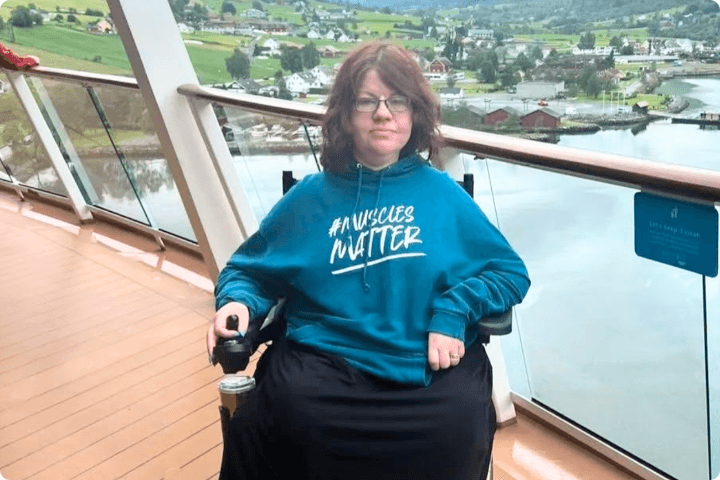
Today is International Wheelchair Day and we are talking to Sara Stacey about navigating accessibility as a disabled person.
As someone with a physical disability, I understand how challenging it can be to attend events or find reliable accessibility information about unfamiliar places. Accessibility isn’t limited to physical disabilities, it also includes other needs, such as for people with photosensitive epilepsy who can have a seizure triggered by flashing lights.
In the past I have enquired about a restaurant, only to find that their accessible toilet facilities don’t fit a wheelchair in, or that the entrance is inaccessible and they suggest that I’m lifted to get in, along with my 154kg powerchair.
I want to share some practical tips to help you navigate new places and ensure they meet your accessibility needs before you get there.
Several platforms are specifically designed to provide information about a location’s accessibility. These apps and websites feature reviews from members of the disabled community, offering invaluable insights on areas such as entrances, toilets, changing rooms and eating areas. These tools help you plan visits with more confidence and minimise unpleasant surprises.
Euan’s Guide is a UK-based accessibility review website that helps disabled people, their families, friends, and carers find and share information about the accessibility of venues and locations across the UK and beyond.
Launched in 2013 by Euan MacDonald, who has Motor Neurone Disease (MND), the platform aims to break down the barriers faced by disabled people when visiting new places. Users can submit reviews about how accessible a venue is, covering aspects such as wheelchair access, disabled toilets, parking, and staff awareness.
Euan’s Guide plays a crucial role in promoting accessibility and inclusivity by providing a trusted source of information that empowers disabled people to explore new experiences with confidence. The website also works with venues to encourage them to improve their accessibility, creating a more welcoming environment for all.
Sociability is a mobile app designed to make socialising and exploring new places more accessible for disabled people by providing detailed, reliable information about venue accessibility.
Launched to address the lack of consistent accessibility information, Sociability allows users to discover, rate, and share accessibility details of cafes, restaurants, shops, and other public spaces. Unlike traditional review platforms, Sociability focuses on accessibility features such as step-free access, seating arrangements, doorway widths, and accessible restrooms, offering users a comprehensive view of how suitable a venue might be for their needs.
By crowdsourcing data from its community and partnering with businesses, Sociability not only empowers disabled individuals to plan their outings with confidence but also encourages venues to become more inclusive. The app plays a significant role in fostering a more accessible and socially connected world, where everyone can participate in social activities without unnecessary barriers.
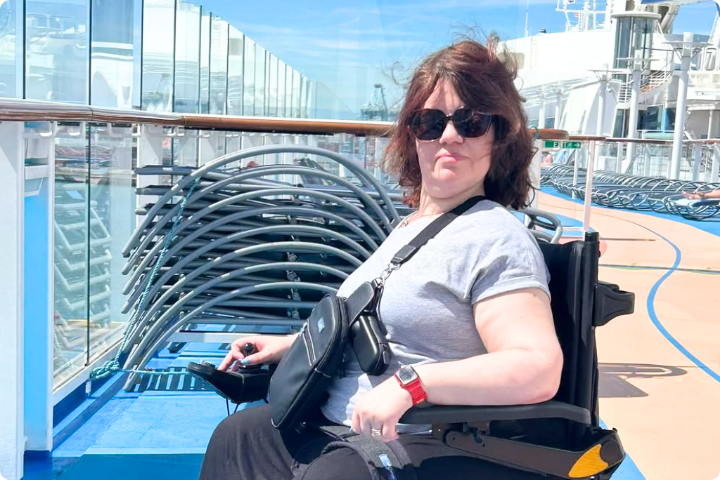
When contacting a venue to inquire about accessibility, it’s essential to ask specific and detailed questions. Specific questions ensure you get the information you need, rather than generic assurances that may not meet your requirements. Here are a few examples of specific questions you could ask venues about their accessibility that are designed to give you clear, practical information to determine whether a venue will meet your specific accessibility needs.
Google Earth and Street View can be helpful tools for assessing a location’s external accessibility:
Keep in mind that these images may not be up to date, so it’s wise to double-check with the venue.
If you’re attending an event and have specific access needs, consider reaching out to the event organiser in advance, lots of larger venues, events and festivals will have an Access Lead or Access Team to speak to.
When reaching out to an event to inquire about accessibility needs, it’s important to communicate clearly and specifically to ensure your requirements are understood and accommodated. Explain that you would like to gather information about the accessibility features available to support your visit. Be specific about your needs by outlining any mobility, sensory, neurodivergent, visual, hearing, or other requirements you may have.
Additionally, you could ask about staff training in disability awareness and how they support guests during emergencies. Be polite but assertive in requesting any accommodations that would make your experience more comfortable, and don’t hesitate to request written materials like accessibility maps or schedules.
Providing as much detail as possible about your needs will help the event organizers understand how they can best support you. And remember, it is your legal right to request information and reasonable accomodations relating to your impairment for accessibility needs.
Navigating accessibility as a person with a disability requires preparation and persistence, but resources and communication can help to make the process smoother. Whether you’re visiting a new place or organising an event, taking the time to focus on accessibility helps show respect for everyone’s needs and to foster a more inclusive society.
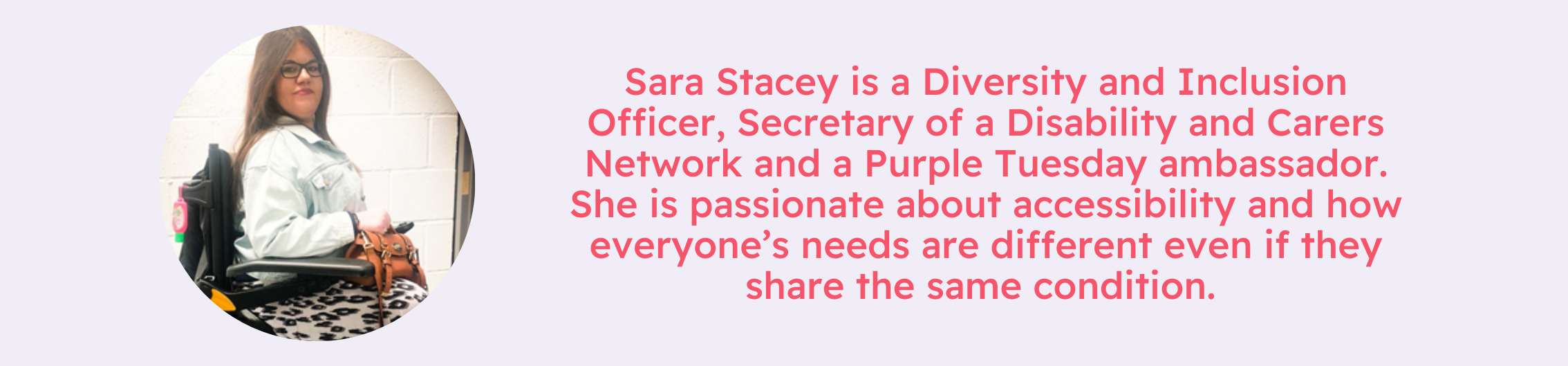
Sara Stacey is an experienced Diversity and Inclusion Officer with 20 years of experience in the public sector, specialising in diversity, equality, and inclusion. She has an extremely rare type of Muscular Dystrophy called Rigid Spine Syndrome and has had it all my life. She started to use a wheelchair a few years ago following a number of dangerous falls.
Sara is passionate about ensuring inclusivity and equal opportunities for all individuals as proven through her hard work as a Diversity and Inclusion Officer, Secretary of a Disability and Carers Network and a Purple Tuesday ambassador.
If you are not yet a Purpl member, then check out some of the benefits of joining Purpl! Purpl is the UK’s first disabled discount site, we are working with hundreds of brands to get you the best discounts we can. Our aim is to offset the extra costs of life with a disability in the UK, studies from Scope say that on average, disabled people’s costs over £1000 more than a non-disabled person and we don’t think that is OK.
As a disabled led company, we are part of the disabled community and we want to make positive change for us all. Not only through our discounts but also through our advice and support around benefits and other ways disabled people can save money. Our Purpl Life blog also shares real life stories from the disabled community and messages about the brands we work with and how they can help you.
Every time you buy through Purpl, you help us to help charities in the UK. We donate to a different charity each quarter, our first charity in 2025 is Spinal Injuries Association and we will be announcing our next charity very soon! Our long term aims are to create a Purpl Trust that will give financial support to disabled people for the products, aids or services they need.
You can also join our private members group, where we share upcoming opportunities, surveys, competitions and the most up to date discounts and offers, as well as the chance to meet lots of new people in a supportive, kind and welcoming group.
If you are disabled and live in the UK, see if you are eligible to join Purpl today!
Accessible Days Out in the UK for Disabled People and Families
Human Beauty Discounts – Accessible and Inclusive Makeup
How to Apply for PIP and Maximise the Benefits in the UK
Morrisons Disabled Discount Codes: 10% off when you spend £25
Glamsticks Disabled Discount Codes: 10% off for new customers
Betty & Bertie Disabled Discount Codes: Exclusive £100 off any mobility scooter