
Download the app


© 2026. The Purpl Co Limited. All rights reserved.


Download the app
© 2026. The Purpl Co Limited. All rights reserved.
5 min read
Written by
Georgina, Founder of Purpl
Published on
April 21, 2026
Last reviewed: 21 April 2026
Applies to: UK
Written by: Georgina, Founder of Purpl
Plans to reduce how often people are reassessed for Personal Independence Payment (PIP) have officially begun rolling out this month. This means fewer reviews, with many claimants now moving to a five-year reassessment cycle. While this sounds like a positive change, especially for those dealing with ongoing health conditions, it sits within a wider cost-cutting strategy that could impact support in other ways.
If you’re navigating PIP or thinking about applying, this is exactly the kind of change that matters. In our Purpl Disability Benefits Guide, we often highlight how small policy shifts can have a big impact on real-life support — and this is one of those moments.
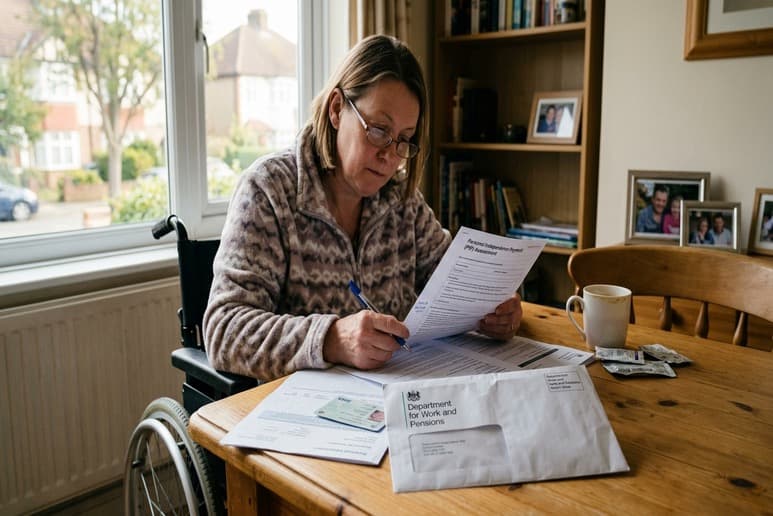
PIP reassessments are one of the most stressful parts of the benefits system. Many people face repeated forms, medical evidence requests, and assessments — even when their condition has not changed.
The Department for Work and Pensions (DWP) already uses different review periods depending on circumstances, including longer “light touch” reviews for people with severe or lifelong conditions (https://www.gov.uk/pip/change-of-circumstances).
The April 2026 changes aim to reduce this pressure by extending award lengths and cutting down how often people need to go through reassessment.
That matters because stability in benefits is not just about money — it affects mental health, independence, and the ability to plan your life.
Purpl Insight: Fewer reassessments can remove a huge emotional burden, but only if the system still adapts properly when people’s needs change.
As of April 2026, the DWP has begun implementing longer award durations. The government has confirmed a shift toward a five-year review cycle for many claimants to reduce the frequency of full reassessments.
Currently, PIP awards are usually given for a fixed period, and the Department for Work and Pensions (DWP) reviews claims to check if support is still appropriate. These reviews can involve forms, medical evidence, and sometimes face-to-face or remote assessments.
The shift now in effect means:
Purpl Tip: Because awards now last longer, getting your initial application and medical evidence right is more important than ever.
For many disabled people and those with long-term health conditions, this change could be genuinely positive.
Those most likely to benefit include:
Maintaining long-term health stability during extended award cycles requires consistent access to daily wellness regimes. To offset the high everyday cost of managing chronic health needs, verified members can claim a 10% savings rate via the Holland & Barrett disability discount on Purpl, making specialised vitamins and supplements more affordable. To bypass standard retail pricing and secure this exclusive community rate, simply log into Purpl before your next checkout.
Frequent reassessments often create a cycle of uncertainty. Longer award periods can break that cycle and give people more breathing room.
However, the impact depends on how the wider system evolves.
Purpl Insight: Stability in your award can improve confidence, but only if the level of support keeps pace with your needs.
This is where things become more complex. While fewer reassessments sound positive, they are being discussed alongside broader efforts to reduce overall welfare spending.
The biggest “catch” is the Timms Review. This government-led review is expected to report in Autumn 2026 and is investigating the “descriptors” (the points system) used to determine eligibility.
Potential concerns include:
Citizens Advice highlights that PIP reviews are meant to ensure support reflects current needs – removing or reducing them too much could create gaps if someone’s condition changes.
Purpl Tip: Always report changes in your condition, even with longer award periods — it protects your entitlement and ensures you receive the right level of support.
From 6 April 2026, PIP payments increased by 3.8% in line with inflation.
Current weekly rates include:
These increases help reflect rising living costs, but many disabled households still face significantly higher everyday expenses.
Purpl Insight: Even with increases, PIP often covers only part of the extra cost of disability which is why stability and access matter just as much as rates.
Changes began in April 2026. Most new awards now last at least 3 years, with many expected to move to a 5-year review cycle where conditions are stable.
Yes. People with severe or lifelong conditions can still receive light touch reviews, often every 10 years.
It is a government review of the PIP assessment criteria (descriptors), expected to report in Autumn 2026. It could change how people qualify for PIP.
Not necessarily. While reviews may happen less often, the criteria used to assess claims could become stricter.
Yes. You must report changes to the DWP, even if your next review is years away.
Not immediately. Changes mainly affect new awards and future reassessments, but policies may evolve over time.
It can reduce stress and admin, but the overall impact depends on how future changes to eligibility rules are introduced.
PIP reassessments are already changing.
Longer award periods and fewer reviews could bring real relief for many disabled people, reducing stress and improving stability.
But this is only one part of a much bigger shift.
With the Timms Review underway, the focus is now turning to how people qualify for PIP in the first place. That means while reassessments may become less frequent, the criteria behind them could change.
Understanding both sides of this change is key – because when it comes to disability benefits, what looks like a win on the surface often comes with important trade-offs.
Georgina is the Founder of Purpl, a platform dedicated to helping disabled people and those with long-term health conditions save money and access the support they deserve. Living with chronic illness herself, she understands the real cost of disability and created Purpl to make everyday life more affordable, accessible, and fair.
Whether you’re making your first PIP or ADP claim or preparing for a review, keeping a daily record of how your condition affects you can make completing your forms much easier.
The free Purpl PIP & ADP Tracker helps you build that record as you go, so when you need the information, it’s already there.
Learn more about the free PIP & ADP Tracker purpldiscounts.com/piptracker
Disability benefit reviews extended: what this means for claimants
PIP Changes Are Long Overdue: Why the System Needs a Radical Overhaul
PIP Bill vs Up-Rating Order: What Changes in 2026 (and What Doesn’t)
PIP and Disability Benefits in 2025: What’s Changing and the Impact on Lifelong or Progressive Conditions