
Download the app


© 2026. The Purpl Co Limited. All rights reserved.


Download the app
© 2026. The Purpl Co Limited. All rights reserved.
17 min read
Written by
Georgina, Founder of Purpl
Published on
September 23, 2026
Last reviewed: 23 September 2026
Applies to: England, Wales and Northern Ireland
Written by: Georgina, Founder of Purpl
Quick summary: Personal Independence Payment (PIP) is a non-means-tested disability benefit in England, Wales and Northern Ireland. It helps towards the extra costs that can come with a long-term health condition or disability, and you can receive it whether you work or have savings.
Personal Independence Payment (PIP) is a disability benefit designed to contribute towards the extra costs people can face because of a long-term health condition or disability. It is not an unemployment benefit. You can work and receive PIP, and your income and savings do not determine whether you qualify.
That sounds simple, but judging by some of the comments you see whenever PIP makes the news, there is still a huge amount of confusion about what the benefit is actually for.
“Why are they getting benefits if they can work?”
“Why should someone with savings get PIP?”
“Doesn’t the NHS provide what disabled people need?”
The answer becomes much clearer when you understand how expensive disability can be.
We’re talking about specialist wheelchairs and mobility equipment that can run into tens of thousands of pounds, private therapies, carers and personal assistants, accessible transport, medical products, higher energy bills, specialist equipment and dozens of smaller additional expenses.
And here’s something else that often gets missed.
Some of those things are exactly what enable disabled people to work.
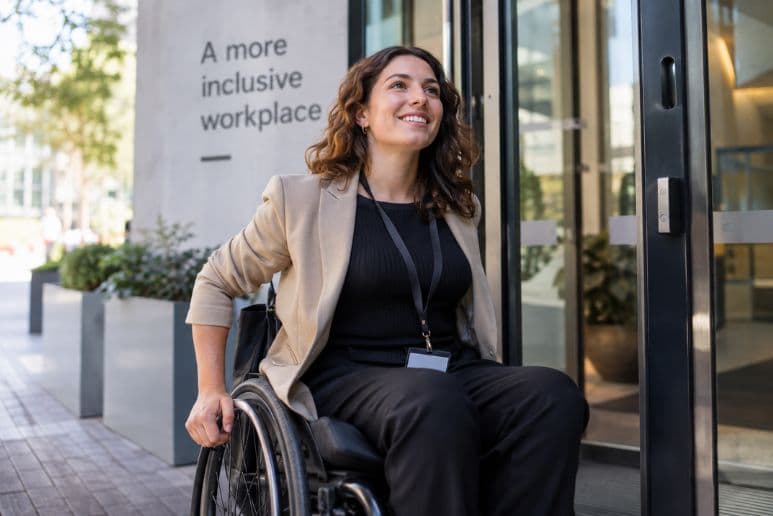
A wheelchair can get someone into the office. A carer might get them washed and dressed before work. Physiotherapy may help someone maintain their mobility. An accessible taxi can get someone to a job they couldn’t otherwise reach.
PIP isn’t there because disabled people don’t work. It’s there because disability can cost more.
| Key PIP fact | What it means |
| What PIP is for | Helps towards some of the extra costs that can come with a disability or long-term health condition. |
| Can you work? | Yes. You can work full-time, part-time, or be self-employed and still receive PIP. |
| Means tested? | No. Your income and savings do not reduce your PIP award. |
| How you’re assessed | PIP looks at how your condition affects everyday activities and mobility, not your diagnosis alone. |
| Maximum 2026/27 award | £194.60 a week if you receive both enhanced daily living and enhanced mobility. |
| Where PIP applies | England, Wales, and Northern Ireland. (Scotland uses Adult Disability Payment). |
Direct answer: PIP is a disability benefit designed to help with some of the extra costs that can come with living with a disability or long-term health condition. It isn’t means tested, so you can receive PIP whether you’re working or not, and your income or savings don’t determine whether you qualify.
PIP is there to help towards the additional living costs someone can face if they have a long-term physical or mental health condition or disability and have difficulty with certain everyday activities or getting around.
The official DWP assessment guidance describes PIP as making a contribution towards the extra costs disabled people may face, with the aim of helping people lead full, active and independent lives. It also makes clear that PIP sits alongside NHS and local authority support rather than simply duplicating it.
Imagine two people both earning £35,000 a year.
One has ordinary household and living costs. The other also pays for physiotherapy, accessible taxis, higher heating bills, mobility equipment and medical products because they are disabled.
Their salary might be exactly the same, but the amount they have left after essential costs can be very different.
That is the gap PIP is designed to help towards.
Purpl Insight: PIP isn’t about giving disabled people more money than everyone else. It recognises that disability can mean starting with additional unavoidable costs that a non-disabled person may never have to think about.
Direct answer: Yes. You can receive PIP whether you work full-time, part-time or are self-employed. PIP isn’t an out-of-work benefit and your earnings don’t reduce your PIP payments.
PIP isn’t means tested. Your income and savings don’t determine how much PIP you receive, and GOV.UK specifically confirms that people can receive it while working.
This is because PIP isn’t an unemployment benefit and isn’t designed to replace someone’s salary.
It looks at the functional impact of a disability or long-term health condition.
Someone can therefore have a successful career and still need help getting dressed, use a wheelchair, require assistance to prepare food or struggle to walk.
Going to work doesn’t make those needs disappear.
Purpl Insight: Sometimes we have the relationship between disability benefits and employment completely backwards. The support a disabled person receives may be part of what makes working possible.
There is no single cost of being disabled. The extra costs someone faces depend on their disability, health condition and individual needs. According to Scope’s Disability Price Tag research, disabled households face extra costs of £1,095 a month on average to have the same standard of living as non-disabled households.
That’s an average, not a claim that every disabled household spends exactly £1,095 more each month, but it demonstrates the scale of the financial inequality disability can create.
The extra costs of disability can show up in lots of different ways, and they are often ongoing rather than one-off.
These costs can quickly add up, and in many cases the support being paid for is what helps someone stay independent, get out of the house and continue working.
Purpl Insight: The disability price tag isn’t always one huge purchase. Often it’s an accumulation of £20, £50 and £100 costs, every week and every month, alongside occasional bills running into thousands.
The cost of disability equipment can vary enormously depending on what someone needs. A basic manual wheelchair may cost a few hundred pounds, while a highly customised powered wheelchair can cost tens of thousands.
| Type of equipment | Typical cost range | What that might include |
|---|---|---|
| Manual wheelchair | £200 to £1,500 | Basic folding, transit or self-propelled wheelchairs |
| Mobility scooter | £800 to £3,000 | Folding travel scooters and standard pavement models |
| Custom manual wheelchair | £2,500 to £7,000 | Lightweight active chairs built around the user’s measurements, posture and mobility needs |
| Complex standing powerchair | £26,300 to £40,000+ | Specialist powered wheelchairs with features such as standing, tilt, recline, postural support and customised controls |
And those figures can still be just the starting point.
Specialist seating, pressure-relieving cushions, batteries, tyres, repairs, servicing and replacement parts can all add to the lifetime cost of the equipment.
At the more complex end, powered wheelchairs can cost £20,000, £30,000, £40,000 or more, particularly when they need to be customised around someone’s posture, pressure care, movement and control needs.
For example, the Permobil F5 Corpus VS standing powerchair has a UK base price of around £26,300 to £27,000 excluding VAT. That is before some of the specialist seating, controls and other options that may be needed for the individual user.
A more complex setup could include:
For someone with complex needs, the final cost can therefore rise significantly beyond the basic chair price.
This is important because a specialist wheelchair is not simply a way of getting from A to B.
For some people, it is the equipment that allows them to sit safely for long periods, reduce pressure and pain, move independently, leave the house, care for their family or continue working.
The NHS does provide wheelchairs for people who meet the relevant clinical and local eligibility criteria, but that does not necessarily mean every person receives the exact chair or every feature they would ideally choose for their wider life.
In England, eligible wheelchair users may be offered a Personal Wheelchair Budget.
The value of that budget is generally based on what the local NHS wheelchair service would spend on equipment that meets the person’s assessed clinical needs.
That can offer more choice, but it does not necessarily mean the NHS will fund the full cost of a more expensive wheelchair or additional features someone feels would make a major difference to their independence.
For example, if the NHS contribution towards someone’s assessed needs is £4,000 but the wheelchair they want costs £10,000, they may be able to use the NHS contribution towards it and find the remaining cost themselves, depending on the arrangement available through their local service.
That gap can become significant for people who need lightweight active wheelchairs, complex powered chairs, standing functions, customised seating or specialist controls.
And sometimes those extra features are not about luxury or convenience.
They may help someone:
Purpl Insight: A £20,000, £30,000 or £40,000 wheelchair can sound shocking until you understand what that equipment actually does. For someone with complex needs, it can be the thing that allows them to sit safely, move independently, leave their home and continue working.
Someone with MS, cerebral palsy, a spinal cord injury, Parkinson’s, chronic pain or another neurological or physical condition may use physiotherapy or other therapies to help maintain mobility, strength, balance and function.
Private treatment can quickly become a significant ongoing expense.
Even at £60 per appointment, weekly treatment would cost around £3,120 a year.
Someone might also pay privately for occupational therapy, hydrotherapy, psychological therapy, speech and language therapy or other specialist support, depending on their condition.
This doesn’t mean the NHS provides none of these services. It does.
But the NHS doesn’t necessarily provide every person with every treatment at the frequency, duration or location they would ideally need.
For somebody trying to stay mobile enough to work, look after children or live independently, paying privately may feel less like an optional extra and more like an investment in maintaining their function.
Purpl Insight: Sometimes the question isn’t “Why are they paying privately when we have the NHS?” It’s “What happens to that person’s independence if they can’t access the amount of therapy they need?”
Care can become one of the biggest disability-related expenses.
Someone might need a carer or personal assistant to help them:
Care needs vary enormously, from a few hours a week to round-the-clock support.
Even using an illustrative cost of £30 an hour, two hours of paid support every day would cost around £420 a week, or almost £22,000 a year.
Some people receive social care funding, direct payments, NHS Continuing Healthcare or other support. Others may contribute towards their care or pay privately.
But here’s the part that is often forgotten.
Imagine someone starts work at 9am but physically cannot get out of bed, shower and dress independently.
The person helping them at 7am isn’t preventing them from working. That support may be the reason they’re sitting at their desk at 9am.
Purpl Insight: Needing care and being capable of working are not opposites. Someone can need significant physical assistance with daily living and still have enormous skills, experience and ability to contribute in the workplace.
No. The NHS provides an enormous amount of healthcare and equipment, but it doesn’t cover every additional cost created by disability.
In fact, the DWP’s own PIP assessment guidance specifically says PIP sits alongside support from the NHS and local authorities and isn’t intended to duplicate it.
The NHS isn’t going to reimburse every higher heating bill.
It won’t pay every accessible taxi fare.
It doesn’t compensate someone because the cheapest supermarket isn’t accessible to them.
It doesn’t automatically pay for cleaning because fatigue means someone has to choose between cleaning their house and having enough energy to work.
And although the NHS provides wheelchairs and other equipment to eligible people, what someone receives depends on assessment, clinical need, eligibility and the relevant service.
The existence of the NHS therefore doesn’t remove the disability price tag.
Healthcare and the extra costs of living with disability are two different, although sometimes overlapping, things.
Purpl Insight: One of the easiest mistakes to make is assuming that every disability-related expense is a medical expense. Many of the biggest additional costs happen in ordinary everyday life.
One of the biggest misconceptions about disability benefits is that if someone works, they should not need support.
In reality, the support someone pays for can be the very thing that makes working possible.
For example:
This is why asking “Why do they get PIP if they can work?” misses the point.
For some people, disability-related support does not replace work. It helps make work possible.
There is also a separate government scheme designed specifically around this principle.
Access to Work can help with additional costs someone faces because of their disability while working, such as specialist equipment, assistive software, support workers and extra travel costs.
PIP and Access to Work are different, but together they show something important: disabled people can be in work and still face significant additional costs.
| PIP | Access to Work |
|---|---|
| Helps towards the wider extra costs that can come with disability or a long-term health condition. | Helps with disability-related costs connected specifically to work. |
| You do not need to be working to receive it. | You normally need to be working, self-employed or starting a job. |
| Paid directly to you. | Usually provides funding for agreed workplace support or extra work-related costs. |
| You decide how to use your PIP based on your own needs. | Funding is linked to the specific support agreed through your Access to Work award. |
| Not means tested. | Your income and savings do not affect support if you’re employed, although separate rules apply if you’re self-employed. |
The key difference is simple.
PIP is about the wider impact and extra costs of disability in everyday life. Access to Work is about the extra support someone may need specifically because they are working.
Someone can potentially receive both because they are designed to do different jobs.
Purpl Insight: Independence does not always mean doing everything without help. Sometimes it means having the right equipment, support and financial freedom to work, participate in family life and live as independently as possible.
PIP awards are split into two components: Daily Living and Mobility. Applicants may qualify for standard or enhanced rates in one or both categories depending on their assessment score.
PIP is tax free, usually paid every four weeks and isn’t reduced because somebody earns a salary or has savings.
| PIP component | Standard weekly rate | Enhanced weekly rate |
|---|---|---|
| Daily living | £76.70 | £114.60 |
| Mobility | £30.30 | £80.00 |
Just over a third of people receiving PIP get the highest award. As at 31 July 2026, 37% of PIP claims with entitlement in England and Wales received the enhanced rate for both daily living and mobility.
The maximum £194.60 a week is not what most PIP recipients receive.
Compare that maximum weekly amount with the potential cost of care, therapies, specialist equipment, transport and household bills and it becomes much easier to understand why PIP shouldn’t be viewed as some enormous financial windfall.
Purpl Insight: PIP doesn’t attempt to reimburse every disability related purchase. It’s a contribution towards additional costs, and people’s actual costs can vary enormously.
Direct answer: No. PIP is not awarded simply because you have a particular diagnosis. It looks at how your condition affects your ability to manage everyday activities and get around.
That means two people with the same condition can receive completely different PIP awards.
For example:
PIP looks at specific daily living and mobility activities, including preparing food, washing, dressing, communicating, managing treatments, engaging with other people, planning and following journeys and moving around.
The key point is that the diagnosis gives context, but the day-to-day impact is what matters for the PIP assessment. Two people with exactly the same diagnosis can have very different levels of support needs, so they can also receive very different awards.
This is also why judging whether someone “looks disabled enough” to receive PIP makes very little sense.
You do not know:
Seeing someone at work, out shopping, on holiday or having a good day does not tell you how their condition affects them across the rest of their life.
Purpl Insight: Seeing someone complete one activity once tells you very little about whether they can do it safely, repeatedly, to an acceptable standard and within a reasonable time.
Not necessarily.
Scope’s 2025 research estimated average additional disability costs of £1,095 a month for disabled households to achieve the same standard of living as non-disabled households. Its analysis put average PIP income among households in its research at £465 a month.
There is also no requirement to send the DWP receipts showing that your PIP went towards a wheelchair, electricity bill or physiotherapy session.
PIP isn’t a reimbursement scheme.
A person decides how to use their money based on their own circumstances.
One month it might help cover taxis.
Another month the heating bill might be particularly high.
Someone might save towards a wheelchair, pay for help at home or simply absorb dozens of additional everyday costs.
That’s part of the point of providing support in cash. Different disabled people have different needs.
Purpl Insight: The person living with the disability is often best placed to understand which additional expense will make the biggest difference to their independence that month.
Removing PIP wouldn’t remove the disability.
And it wouldn’t magically remove the costs.
The wheelchair would still need repairing.
The house might still need additional heating.
The carer would still need paying.
The person might still need accessible transport.
The powered equipment would still need charging.
The medical products would still need replacing.
And the person might still need support to get ready for work.
It would be too simplistic to claim that every cost would automatically transfer to the NHS or social care system. Some people might receive additional statutory support, but others could have to absorb the cost themselves, rely more heavily on family and charities, reduce what they spend elsewhere or simply go without.
That could have consequences for independence, health, employment and participation in everyday life.
The Government’s 2026 interim Timms Review also found that many disabled people regard PIP as vital in helping them meet disability-related costs and participate in everyday life.
The underlying need doesn’t disappear because the financial support does.
Purpl Insight: A serious discussion about PIP needs to consider both sides of the equation: what the benefit costs the state and what happens to disability-related needs when people cannot afford to meet them.
Yes. There is no limit on the number of hours you can work and PIP is not means tested. Your job does not determine whether you qualify; entitlement depends on the usual PIP eligibility rules and how your condition affects the relevant daily living and mobility activities.
No. Your earnings and savings do not reduce your PIP award.
No. PIP is not a reimbursement or voucher scheme, so you do not have to send the DWP receipts showing how you spend it.
No. PIP looks at how your condition affects specific daily living and mobility activities rather than awarding the benefit simply because you have a particular diagnosis.
Not always. NHS Wheelchair Services provide equipment based on assessed clinical need and local eligibility criteria, but some people pay privately for different equipment, additional features, specialist seating or upgrades that are not fully funded. In England, eligible users may also be able to contribute their own money alongside a Personal Wheelchair Budget.
Yes. Complex powered wheelchairs can cost tens of thousands of pounds. High-end standing powerchairs currently have base prices above £25,000 before some specialist seating, controls and customisation, so highly individualised packages can cost substantially more.
Working doesn’t mean somebody can perform every daily living activity independently. A person might need physical help getting out of bed, washing, dressing or preparing meals while still being completely capable of doing their job.
No. Access to Work is separate from PIP. It can provide practical workplace support such as specialist equipment, support workers and help with additional travel costs. PIP contributes towards the broader extra costs associated with disability and difficulties with daily living or mobility.
Because PIP isn’t means tested. It looks at the impact of someone’s disability or long-term health condition, not how much money they have in their bank account.
Yes. PIP can apply to long-term physical or mental health conditions. As with other conditions, entitlement depends on how the condition affects the relevant daily living and mobility activities rather than the diagnosis alone.
No. PIP has been replaced in Scotland by the Adult Disability Payment (ADP), administered by Social Security Scotland. ADP rates currently match PIP, but the application and review processes are different.
Perhaps the simplest way to understand PIP is this:
PIP isn’t a benefit for being unemployed.
It isn’t free money for having a diagnosis.
And receiving it doesn’t mean somebody is incapable of working.
PIP exists because living with a disability or long-term health condition can create additional costs.
Sometimes those costs are obvious, such as a specialist powered wheelchair costing tens of thousands of pounds.
Sometimes they’re £60 physiotherapy appointments, care costs or accessible taxis.
And sometimes they’re almost invisible: another hour of heating, another delivery charge, another piece of medical equipment, another taxi because the accessible route wasn’t available.
Those costs add up.
And crucially, the equipment and support disabled people spend money on can be the very things that allow them to work, raise families, leave their homes and live independently.
So perhaps the next time you see somebody ask:
“Why are they getting PIP when they have a job?”
The answer is much simpler than people think.
Having a job doesn’t make somebody less disabled.
And sometimes, having the right support is exactly what makes having that job possible.
I’m Georgina, Founder of Purpl, and I live with multiple sclerosis.
I created Purpl because I’ve experienced first-hand how expensive living with a disability can be, including many of the costs that people outside the disabled community simply never see.
Purpl exists to help reduce the disability price tag through exclusive discounts, practical information and a community where disabled people, people with long-term health conditions, parents and carers can share knowledge and support.
PIP can help towards some of the extra costs that come with disability, and Purpl members can also access discounts across mobility equipment, healthcare, energy and everyday essentials.
A few offers that link particularly well to the costs discussed in this article include:
You can also browse all Purpl mobility aid discounts for more savings on mobility equipment, accessibility aids and daily living products.
Step by step PIP assessment tips: what assessors look for and your 2-week preparation guide: Practical help preparing for a PIP assessment and recording real examples of how your condition affects everyday life.
PIP reliability rules explained: Understand what safely, repeatedly, to an acceptable standard and within a reasonable time actually mean.
Purpl’s PIP Daily Activity Tracker: Record real-life examples of how your condition affects you so you have them to look back on when preparing for a claim, review, mandatory reconsideration or appeal.
Disability utility support: grants, social tariffs and help with household bills: More help with the additional energy, water, broadband and household costs disabled people can face.
10 practical ways to reduce the disability price tag on household bills: Practical ways to reduce everyday disability-related costs.