
Download the app


© 2026. The Purpl Co Limited. All rights reserved.


Download the app
© 2026. The Purpl Co Limited. All rights reserved.
6 min read
Written by
Georgina, Founder of Purpl
Published on
April 5, 2026
Last reviewed: 5 April 2026
Applies to: UK
Written by: Georgina, Founder of Purpl
Disabled people in the UK face an average of £1,095 extra costs every month, according to Scope’s latest Disability Price Tag research. This is not about lifestyle choices or luxuries. It reflects the real, unavoidable cost of living with a disability or long term health condition.
If you have ever wondered why money feels tighter despite careful budgeting, this explains it. From higher energy use to inaccessible transport and specialist equipment, the system itself often makes everyday life more expensive.
If you are new to this topic, our Purpl Disability Benefits and Support Handbook can also help you understand what financial support is available alongside these costs.
The disability price tag is not just a statistic. It directly affects independence, wellbeing and quality of life.
When everyday essentials cost more, it limits choices. People may cut back on heating, delay replacing equipment or avoid travel altogether. Scope highlights that these extra costs often push disabled households into financial hardship, even when income appears stable.
This is why understanding the disability price tag matters. It helps explain why financial pressure exists and why fairer systems and pricing are essential.
Purpl Insight: Disabled people are not spending more by choice. They are paying more to meet basic needs.
The disability price tag measures how much more a disabled household needs to spend to reach the same standard of living as a non-disabled household.
Scope calculates this using national data, including the Family Resources Survey. Their latest figure shows £1,095 per month in extra costs.
This includes:
Citizens Advice also recognises that disabled people often face higher living costs due to these overlapping factors.
Purpl Tip: If your budget feels stretched, track “extra disability-related costs” separately. It helps you understand where support or savings could make the biggest difference.
Many people assume the NHS provides everything. It does not.
The NHS can provide some mobility aids and equipment, but access often depends on strict eligibility criteria, long waiting lists and local availability.
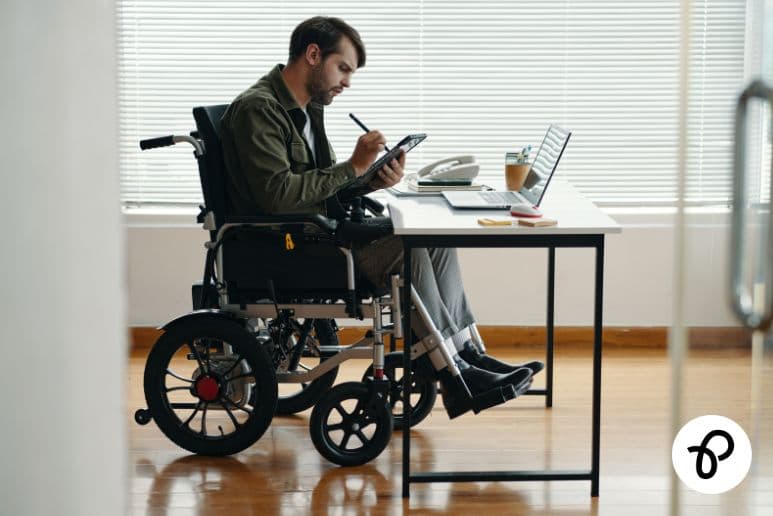
A basic wheelchair may be provided, but it often does not meet long-term needs.
For full-time users, a properly fitted chair is essential to avoid serious health issues. Costs can include:
Many are forced into public fundraising just to afford the ability to leave their homes. This isn’t a “choice” or a “luxury upgrade”; it is the staggering price of independence in a world that often treats mobility as an optional extra.
That is before ongoing costs such as:
Research from the University of Bristol confirms specialist equipment is one of the most common and significant extra costs faced by disabled people.
VAT relief may apply to some disability-related equipment, which can reduce upfront costs if claimed correctly.
Purpl Insight: The biggest myth is that support systems cover everything. In reality, many disabled people fund essential equipment themselves just to live independently.
Energy use is often unavoidable.
Medical equipment such as ventilators, hoists and powered beds must run daily.
Temperature control also plays a role. Some conditions require consistent heating or cooling to avoid worsening symptoms.
Scope identifies energy as one of the largest contributors to extra costs.
You can register for extra support through the Priority Services Register, which offers help during outages and accessibility support.
Purpl Tip: Register for the Priority Services Register with every utility provider you use.
Public transport is not consistently accessible.
When lifts fail or assistance is unavailable, disabled people often have no choice but to use taxis.
The UK Parliament Transport Committee found accessibility barriers still significantly impact disabled people’s ability to travel.
Wheelchair accessible vehicles and adapted transport also cost more to buy, insure and maintain.
Purpl Insight: The “transport tax” exists because systems fail, not because disabled people choose more expensive options.
Convenience is often essential, not optional.
People with fatigue, pain or mobility issues rely on pre-prepared meals or adapted cooking methods. These cost more but enable independence.
Specialist diets also add cost. Coeliac UK confirms that gluten free food is the only treatment for coeliac disease and can be more expensive.
This applies to many health conditions requiring specific nutrition.
Purpl Tip: Compare cost per weight or portion, not just shelf price, when buying specialist or prepared foods.
Disabled people spend hours every week managing systems.
This includes:
This reduces time for work, rest or family life.
Benefits like PIP help with extra costs but do not cover everything.
Purpl Insight: Time is one of the most overlooked costs of disability, but it has real financial impact.Why energy costs are higher
There is no single solution, but several steps can help:
At Purpl, we work with brands to offer discounts that directly reduce everyday costs. This helps offset some of the financial pressure disabled households face. To date our members have saved over £2m, this make a real difference to their day to day lives.
Purpl Tip: Focus on reducing repeat essential costs first, as these have the biggest long-term impact.
At Purpl, we recognise that disabled people already pay more.
We partner with brands to offer disability discounts that reduce everyday costs. This helps offset some of the financial pressure created by the disability price tag.
This is not about charity. It is about fairness.
Purpl Tip: Focus on reducing repeat spending like food, energy-related items and essentials where discounts make the biggest long-term difference.
Disabled people often need additional equipment, energy, transport and support. When systems are not accessible, they must pay more to meet basic needs.
The latest widely used figure is £1,095 extra per month, based on Scope’s research.
The NHS can provide wheelchairs, but these are usually basic models and may not meet long-term needs. Many people must pay privately or fundraise for suitable equipment.
Properly fitted wheelchairs prevent serious health issues and support independence. Custom chairs often include specialist features, which increases cost.
No. Benefits like PIP help with extra costs but do not fully cover the disability price tag.
Check benefit eligibility, use VAT relief, access support schemes and use platforms like Purpl to reduce everyday spending.
The disability price tag shows a clear reality. Disabled people in the UK are paying more just to live day to day.
The £1,095 monthly figure is not about choice. It reflects gaps in accessibility, higher essential costs and systems that still do not work equally for everyone.
Understanding these costs is the first step. The next step is pushing for fairer pricing, better support and more inclusive systems.
At Purpl, we exist to help reduce that gap and make everyday life more affordable.
Georgina is the Founder of Purpl, a platform dedicated to helping disabled people and those with long term health conditions save money. After experiencing the financial realities of disability first hand, she built Purpl to make everyday costs more manageable and to create a fairer system for everyone.
Fuel price finder and comparison: how to find cheaper fuel near you
Motability costs rising from July 2026: up to £400 more and fewer cars available
What help is available for disabled people struggling with debt in the UK?
Water bill help for disabled households: could the WaterSure scheme save you £325 a year?
What is the priority services register and who can apply?