
Download the app


© 2026. The Purpl Co Limited. All rights reserved.


Download the app
© 2026. The Purpl Co Limited. All rights reserved.
8 min read
Written by
Purpl
Published on
March 2, 2026
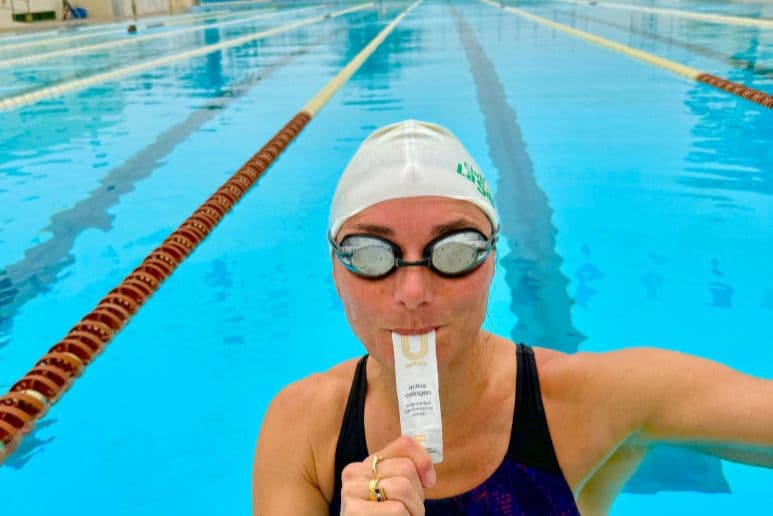
Dame Sarah Storey shares how collagen supports her joint health, recovery and resilience. In this exclusive interview with Purpl, she discusses performance, injury recovery and how people living with long term health conditions can think about collagen alongside medical care.
As Britain’s most decorated Paralympian, Dame Sarah understands recovery better than most. However, her insights are not just for elite athletes. They are relevant for anyone managing pain, fatigue, injury or long term conditions.
To explore this properly, our founder Georgina sat down with Dame Sarah to talk about her life, her approach to recovery and why collagen now forms part of her daily routine.
“I was really honoured to have the opportunity to sit down with Dame Sarah Storey to talk about her life, her strength and her love of collagen. It was a genuine pleasure to hear her insights first-hand, and I want to say a big thank you to UPerform for bringing this conversation together for Purpl and to Dame Sarah for being so lovely.”
Georgina, Founder of Purpl
1. What inspired you to get into sport?
As for most people it was my parents who were the first people to encourage me in to sport. From learning to throw and catch a ball in our garden to family holidays based around outdoor activities, I have always grown up and participated in sport. I learnt to swim at our primary school club and took up as many sports as they had on offer. I was introduced to sport at international level when I watched the 1984 Olympics on TV. From then on I desperately wanted to compete for my country.
2. What has been your proudest sporting achievement?
I’ve had so many. It’s hard to beat the most recent gold medals in Paris with my whole family there. They were alongside so many friends and, most importantly, both my children too.
3. How important has recovery been in your success?
As I have got older I have realised more about the importance of reviewing your diet and nutrition. This helps you optimise recovery which then allows your body to manage the training and competition load better. It is even more important when you have to juggle that load alongside a busy work and family life.
Having had two children I haven’t always had long, unbroken nights of sleep. I have always found ways to manage that and used nutrition and carefully selected supplements to assist with recovery. More recently I have suffered some of my worst injuries. A very nasty crash left me with a partially collapsed lung and almost ended my career. This was followed by three surgeries in the year after the 2024 season.
Throughout these periods of rehab I have been very disciplined with my diet and hydration. This has included seeking support from companies like U Perform who produce the best options for collagen supplementation. My surgeries have all been due to bone, soft tissue and connective tissue injuries. It has been more important than ever to ensure I have collagen supplementation, especially as I am rapidly approaching the age of 50.
4. Is resilience as important as training?
The hardest part in sport is having the right psychology to deal with stresses and strains. These can come from training, competition, illness, injury and unplanned mishaps. Psychological strength and resilience help you understand the context of your situation. This enables you to make good decisions and know what to do to keep yourself in the best condition possible.
More athletes now recognise that physical recovery is aided by psychological skills. Mental rest is just as important as physical rest. The ability to make good decisions under pressure is also crucial. You can spend both physical and mental energy more wisely if you cope well in pressured situations.
5. When did you start taking collagen?
I started taking collagen after the Games in Paris when I realised my regular supplement routine would benefit from an adjusted approach. I’ve always recovered well and managed comebacks from illness or injury better than expected. I recognised that if I was going to continue to defy age then I needed to keep tweaking my approach.
I switched to the higher dose and higher quality collagen of UPerform after a broken ankle left me on crutches for most of Christmas. This change has produced remarkable results with my recovery from what could have been permanent damage to my left foot and ankle. I have always had an open mind and the willingness to assess and reassess my approach. This skill has enabled me to seek out the best option for every situation I find myself in.
6. What does your daily collagen routine look like?
I take a maintenance dose of 3000mg in the morning alongside my other supplements. I then have a combination of Active Collagen gels, up to two a day, and a scoop of Active Whey and Collagen powder after my hardest or longest session. This contains a further 15g of collagen. I always make sure I have one of my doses before bed so I am backing up my sleep with nutrition my body can use to repair.
7. What benefits have you noticed?
Collagen is vital for almost everyone and particularly for women over 35. Hair, skin and nail health are boosted by collagen. Our bodies produce less collagen every year as we age, so a maintenance dose will work for many people.
Collagen can also support joint health and help combat the challenges of ageing joints. For anyone training, regardless of their level, combining collagen with whey protein, as UPerform do, means the muscles have the complete protein required to recover efficiently.
8. Is collagen only for athletes?
There is no doubt that everyone can benefit from collagen. The dose is the change you would make according to your body’s needs and the exercise you are doing. You would also adjust the dose if you were rehabbing an injury.
9. What advice would you give disabled people who want to stay active?
Find a coach or group that supports your individual needs. There are cycling groups in almost every area of the country that support people with disabilities to choose the right cycle. They run sessions on traffic free routes to help people build confidence. These sessions are coordinated by the Wheels 4 All charity.
Another option is to visit your local leisure centre and ask about suitable swimming sessions. The Everybody Moves website also has information about sports and activities.
10. How do you balance everything?
I have always been a very organised person and so have been used to fitting in a lot to every day since I was very young. When it comes to doing things you love and feel passionate about then it is easy to do a lot. I tend to use my work commutes as my training time and my husband has a very flexible work life so he is able to do the lion’s share of the school runs and keeping the house running. I consider the privilege of training as a time for myself and make sure that I sleep well to recharge.
11. Your biggest wellbeing tip?
As I have got older and in particular my late 40’s I have seen the importance of movement, core strength, flexibility and fresh air in a very different way. The opportunity to get outside and stretch, move and relax is one of the most effective ways of changing how you feel. Whether that is moving locations at home, to work from the table on the patio in the summer, or taking the longer route home from work so that I have more time pedalling, I think taking the simple options that improve your mindset can be so effective.
Collagen is a structural protein found in skin, cartilage, bones and connective tissue. It helps provide strength and flexibility to these tissues.¹ ²
Protein, including collagen, is essential for tissue growth and repair. NHS hospital guidance explains that adequate protein intake supports wound healing, muscle maintenance and recovery after illness or surgery.³ ⁴
As we age, collagen production naturally declines. This can affect joint comfort and tissue elasticity.² A balanced diet that includes sufficient protein helps support normal tissue structure.³ ⁴
NHS guidance focuses on food first. Meat, fish, eggs, dairy, beans and lentils provide protein. Supplements may be used in specific cases under medical supervision.³ ⁴ ⁵
Autoimmune conditions such as lupus and rheumatoid arthritis affect connective tissues and joints.² ³ ⁴ Collagen is a key structural protein within these tissues.¹
However, NHS and BDA guidance states there is no strong evidence that specific supplements can cure autoimmune conditions or replace medical treatment.³ ⁴
Instead, recommendations focus on medical management, balanced nutrition, staying active and maintaining a healthy weight.³ ⁴
For some people, paying attention to protein intake supports strength and recovery during fatigue or flare ups.¹ ³ ⁵ Any decision to use supplements, including collagen, should involve medical advice.³ ⁴
Official sources
For many disabled people, recovery and energy management are daily priorities. Conversations like this show how small, consistent habits support resilience alongside medical care. Dame Sarah’s experience highlights structured recovery, balanced nutrition and thoughtful supplementation as part of a wider wellbeing picture.
Dame Sarah Storey demonstrates that resilience is built through consistent habits. Her approach to recovery, mindset and collagen offers practical insight for anyone managing injury, ageing or long term conditions.
Purpl’s disabled members can enjoy a 20% off discount code with Uperform, Proto-col and Vetrition.
The information on this page is for general guidance only. It is not a substitute for individual medical advice, diagnosis or treatment.
Anyone living with a long term condition, recovering from surgery or taking medication should speak to a healthcare professional before starting supplements.
Follow @Purpldiscounts on social media for the latest disability discounts, financial advice, and accessibility resources.
Other articles, or links, you might find useful:
U Perform Discount Code
Discount Codes for Supplements
Discount Codes for Health Products