
Download the app


© 2026. The Purpl Co Limited. All rights reserved.


Download the app
© 2026. The Purpl Co Limited. All rights reserved.
20 min read
Written by
Georgina, Founder of Purpl
Published on
November 17, 2026
Last reviewed: 17 November 2026
Applies to: UK
Written by: Georgina, Founder of Purpl
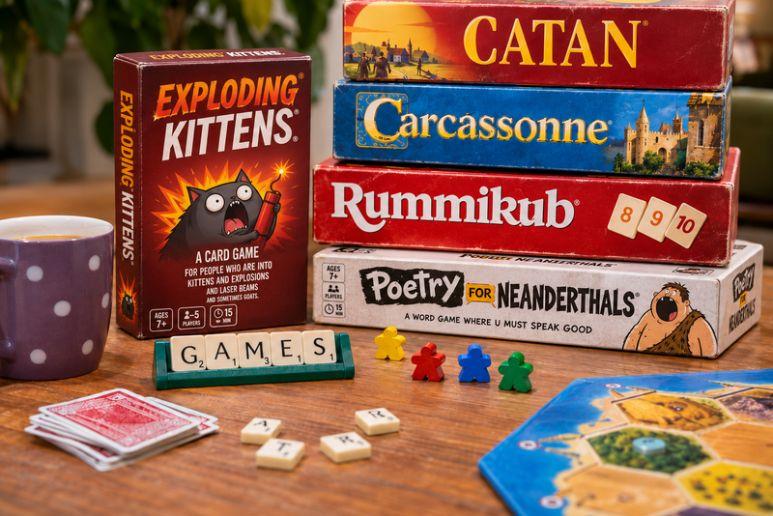
We absolutely love playing games in our house. In fact, we’ve collected so many over the years that choosing what to play has almost become a game in itself!
From quick card games like Flip 7 and Exploding Kittens to longer strategy games like Catan and Carcassonne, there’s nothing quite like getting everyone around the table for a games night. And yes, things can get a little competitive in our house!
I live with ADHD and Multiple Sclerosis (MS), and I’ve noticed that different games suit me at different times. Sometimes I want something that really challenges my brain, while other times I just want something fun that doesn’t require too much concentration.
I’ve also been reading about the connection between neurodivergence and board gaming. Research suggests that some autistic people particularly enjoy the structure, rules, strategy and social opportunities that games can provide.
So I thought I’d share my top 10 favourite board and card games, along with plenty of others from our growing collection.
These are games we actually own and play, rather than a generic list of bestsellers. Whether you’re looking for games for two adults, family games, something to play with friends or games that suit different energy levels, hopefully you’ll find something new to try.
And because this is Purpl, I’ve also included tips on choosing accessible games and ways to save money when buying them.
Affiliate disclosure: This article contains Amazon shopping links. This article contains affiliate links which may earn Purpl commission at no additional cost to you – commission received goes back into us helping the community.
Board games can appeal to some neurodivergent people because they offer clear rules, interesting challenges and a shared activity that gives people something to focus on together.
But everybody is different. Some people love complicated games involving strategy and planning, while others prefer quick card games, creative challenges or something that simply makes everyone laugh.
What’s interesting is that researchers have explored this connection.
A study called Game Changer: Exploring the Role of Board Games in the Lives of Autistic People, first published online in 2024, surveyed more than 1,600 hobbyist board gamers.
Researchers found that autistic people were overrepresented among the survey participants compared with the general population. Interviews with autistic players also highlighted their enjoyment of rules, structure, strategy, shared interests and opportunities for social interaction.
The study also found relatively stronger preferences for cooperative and solo games among autistic participants compared with non-autistic participants.
The findings don’t mean that all autistic people enjoy the same games, but they help explain why gaming can be such an appealing hobby for some.
I was diagnosed with ADHD in 2024, and I love having something interesting to focus on.
For me, that’s part of the appeal of games. Whether I’m working out my next move, trying to collect the right cards or getting completely absorbed in a strategy, I’m enjoying spending time with the people around me.
Sometimes I want a game with lots of quick decisions. Other times, something more complicated is exactly what I fancy.
There’s no single best game for someone with ADHD. I think choosing something that genuinely interests you is far more important than whether it’s marketed as neurodivergent-friendly.
Absolutely. Board games can be a lovely way to spend time with family and friends at home, especially when going out or doing something physically demanding isn’t always practical.
Living with MS means my energy and mobility can vary, so having a collection of games gives us plenty of options.
Of course, not every game will suit everyone. Small pieces can be difficult to handle, fast reactions might be challenging, and some games involve a lot of talking or remembering complicated rules.
That’s why I’ve included a few things worth considering alongside my recommendations.
Purpl Insight: I love having games that suit different moods and energy levels. Some days I fancy a proper mental challenge, while other evenings I just want something quick and funny. There’s no reason games night has to look the same every time.
We’ve collected quite a few games over the years, but these are the ones that would make my personal top 10.
They’re not ranked because I love them for different reasons. Some are perfect when you’ve only got half an hour, while others are great for settling down and spending an evening playing together.
| Game | Best for | Type |
|---|---|---|
| Catan | Strategy, building and trading | Board game |
| Canasta | Traditional card strategy | Card game |
| Flip 7 | Quick rounds and risk-taking | Card game |
| Mexican Train | Relaxed family games | Dominoes |
| UNO Party | Larger groups and laughter | Card game |
| Carcassonne | Planning and tile placement | Board game |
| Rummikub | Numbers and problem-solving | Tile game |
| Exploding Kittens | Unpredictable fun | Card game |
| Pili Pili | Predictions and tactics | Card game |
| Grab the Mic | Music, laughter and party games | Music game |
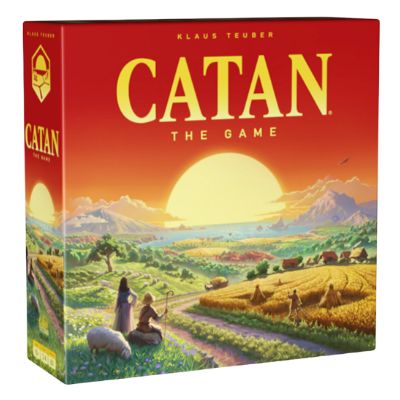
If you love a game where you have to think about your next move, Catan is brilliant.
You collect resources, build roads and settlements, and trade with other players as you compete to develop your island.
What makes it interesting is that you can’t always stick to one strategy. You might have a great plan, only for somebody else to build exactly where you wanted to go.
I really enjoy games that involve planning, and Catan has enough going on to keep you thinking throughout.
Why it’s one of my favourites: I love the strategy, trading and how every game develops differently.
Things to consider: Catan takes longer to learn than a simple card game. There are small pieces to handle, and a typical game can last an hour or more.
Canasta is one of those traditional card games that never seems to get old.
You collect matching cards, build sets and try to score more points than your opponents. You can also play in partnerships, which adds another element of strategy.
It takes a little while to understand all the rules, particularly if you’ve never played before, but once you’ve got the hang of it, there’s plenty to think about.
And unlike some newer games, you don’t need an expensive box full of equipment.
Why it’s one of my favourites: I love collecting cards, planning ahead and trying to work out what other players might be holding.
Things to consider: Players need to organise quite a few cards and remember the scoring rules. Card holders can be useful if you have reduced grip or hand fatigue.
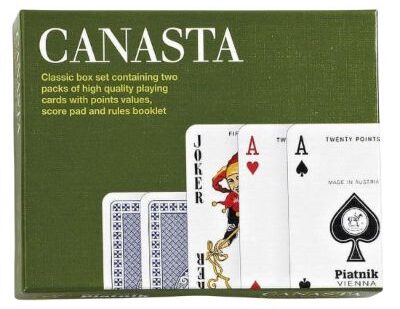
Find Canasta playing cards on Amazon
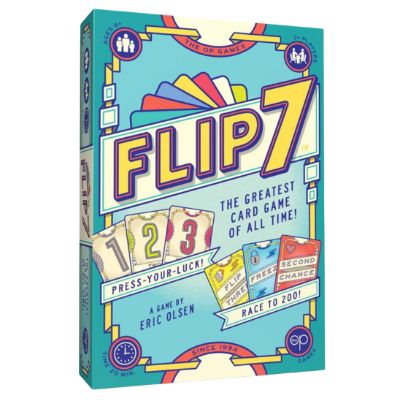
Flip 7 is one of those games where you keep telling yourself you’ll stop, then decide to risk just one more card.
You collect number cards and try to build your score, but get a duplicate number and you lose the points you’ve collected that round.
It’s simple, but there’s something incredibly satisfying about deciding whether to play it safe or take a chance.
And because the rounds are relatively quick, it’s easy to end up playing several games in a row.
Why it’s one of my favourites: It’s exciting without needing complicated rules, and everyone gets involved.
Things to consider: Number recognition and scorekeeping are important, but there’s no large board to set up or complicated strategy to remember.
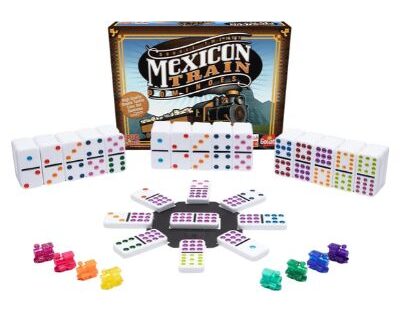
Mexican Train is a dominoes game where players build their own trains while also contributing to a shared train.
It’s a lovely game to sit around the table and enjoy while chatting, although there’s still plenty of strategy involved when you’re deciding where to place your dominoes.
It’s also a nice change from traditional playing cards.
Why it’s one of my favourites: This is a favourite for games nights with friends, as you can still talk whilst playing. It’s a great combination of planning and relaxed gameplay, without everything feeling rushed.
Things to consider: Dominoes may be easier to handle than cards for some people, depending on the set, but you do need a reasonable amount of table space.
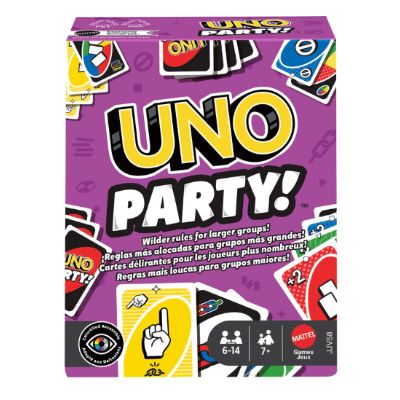
Most people have played UNO, but UNO Party takes the familiar game and makes it even more chaotic.
It’s designed for larger groups, with additional rules and cards that can involve several players at once.
There are opportunities to make other players draw cards, pass cards around or point at somebody else. It’s definitely not a quiet strategy game!
Why it’s one of my favourites: It’s familiar enough for most people to pick up quickly, but the additional rules make it feel completely different from ordinary UNO. My family are big Uno fans – it always brings laughter and arguing!
Things to consider: UNO Party is designed for 6 to 14 players, so it’s not suitable if you normally play as a couple. It can also become quite noisy and unpredictable.
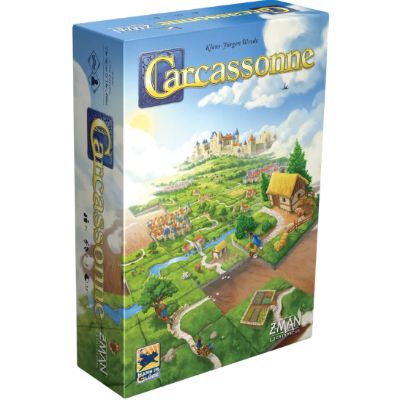
Carcassonne is another strategy game I really enjoy.
You take turns placing tiles to build roads, cities and fields, gradually creating a landscape that looks different every time.
The clever part is deciding where to place your followers so you can earn points as everything develops.
Sometimes the best move isn’t immediately obvious, which is what makes it interesting.
Why it’s one of my favourites: I love watching the board develop and trying to work out where my next tile will be most useful.
Things to consider: The game involves small pieces and visual planning, but there’s no need to race against a timer.
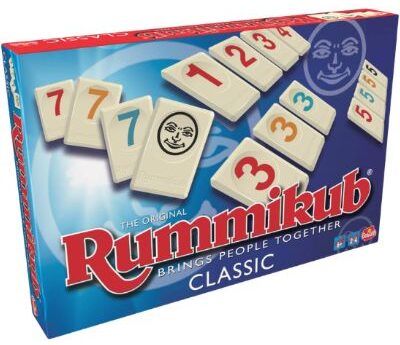
If you enjoy number games, Rummikub is definitely worth trying.
You arrange numbered tiles into sets and runs, but the really clever part is being able to rearrange tiles already on the table to create new combinations.
It’s incredibly satisfying when you spot a move that lets you put several tiles down at once.
You can spend ages looking at the board, then suddenly realise there’s a combination you hadn’t noticed.
Why it’s one of my favourites: I love the problem-solving element and that satisfying moment when everything fits together.
Things to consider: Number recognition and visual scanning are important. The tiles may be easier to handle than playing cards for some people.
Exploding Kittens is completely different from the more traditional games on my list.
The idea is to avoid drawing an exploding kitten, using various cards to protect yourself or interfere with other players.
You might think you’re doing brilliantly, only for somebody else to completely ruin your plans.
It’s silly, unpredictable and full of surprises.
Why it’s one of my favourites: It’s a fun change from serious strategy games, and things can change very quickly.
Things to consider: Players need to read and understand the effects of different cards. The unexpected twists may not suit someone who prefers predictable gameplay.
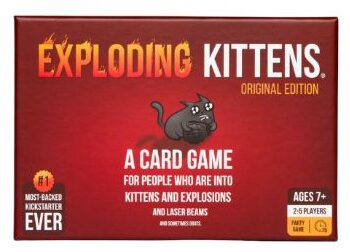
Find Exploding Kittens on Amazon
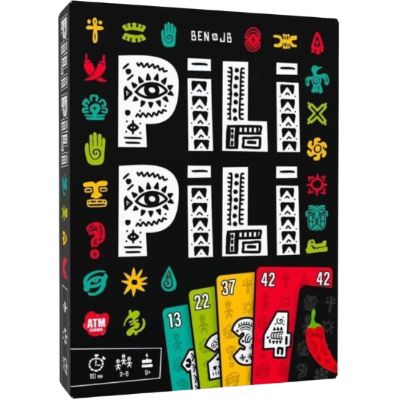
Pili Pili is a trick-taking card game where you predict how many tricks you’ll win.
That might sound easy, but the special mission cards change the conditions between rounds, so you’re constantly adjusting your plans.
The aim is to get your prediction right rather than simply winning as many tricks as possible.
It’s a clever concept for a relatively small card game.
Why it’s one of my favourites: I got this as a birthday gift – it’s really good fun. I love the mixture of quick decisions and strategy. The changing missions keep things interesting.
Things to consider: The changing rules might appeal to people who enjoy variety, but could feel confusing for somebody who prefers consistency.
Grab the Mic is a brilliant choice when you want something completely different from a traditional board or card game.
It’s essentially a karaoke game for people who can’t necessarily sing, which is part of what makes it so funny.
You turn over a card containing a word, and everyone has to think of a song with that word in the lyrics. The first person to grab the foam microphone has to sing their answer.
Sounds easy, doesn’t it? Until you have a perfectly ordinary word in front of you and suddenly can’t remember a single song!
It’s not about having the best singing voice. It’s about thinking quickly, remembering lyrics and being prepared to make a bit of a fool of yourself.
I love having games that are completely different from the strategy-based ones, and Grab the Mic definitely adds something different to games night.
Why it’s one of my favourites: It’s a fun, music-based alternative to traditional games, particularly when you’ve got people around who enjoy a laugh. I’m very competitive but awful at singing – this will have you laughing for sure.
Things to consider: It’s designed for 2 to 10 players aged 8+, but the normal rules involve singing, memory, quick reactions and grabbing the microphone. This could be difficult for someone with speech difficulties, slower processing, sensory sensitivities or limited hand movement.
If you’re playing casually, you could allow more thinking time or let players take turns rather than racing for the microphone.

Purpl Tip: If you’re building a games collection, I’d start with a mixture of styles rather than buying lots of similar games. One quick card game, one longer strategy game and something fun for a group gives you plenty of options.
These didn’t make my personal top 10, but they’re still part of our collection and worth considering, particularly if you want something that doesn’t require lots of setting up.
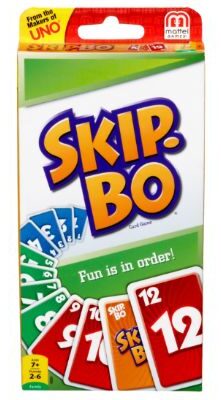
Skip-Bo involves building number sequences and trying to get rid of your stockpile before everyone else.
It’s a good option if you enjoy planning ahead without needing a complicated board game.
Best for: Number sequences and traditional card game fans.
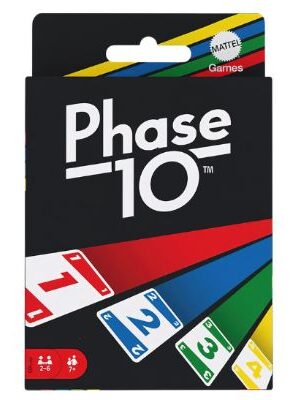
Phase 10 challenges you to complete different combinations of cards as you progress through the game.
Some phases are relatively simple, while others can leave you waiting for that one card you desperately need.
Best for: Collecting sets and longer card games with clear goals.
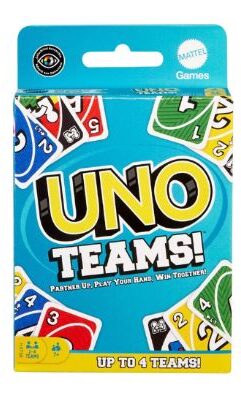
UNO Teams is different from UNO Party because you’re playing in partnerships rather than simply making UNO work for a much bigger group.
It adds teamwork to a familiar card game while still keeping the competition between teams.
Best for: Families and friends who enjoy working in pairs.
Purpl Tip: Card games are particularly useful when you’re going away for a weekend or on holiday. They take up very little room, and once you’ve learned the rules, they’re easy to get out whenever you fancy playing.
If you enjoy Catan, Carcassonne and Rummikub, these games are also worth exploring.
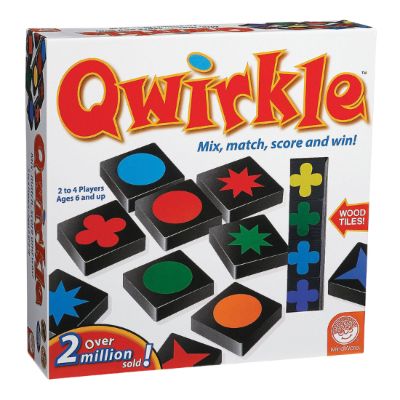
Qwirkle is a lovely game if you enjoy recognising patterns.
You place tiles to create lines of matching colours or shapes, earning points for the combinations you make.
The basic rules are fairly straightforward, but there’s plenty to think about when deciding where to put your next tile.
Best for: Visual thinking, logical decisions, patterns and colours.
Accessibility considerations: Colours and shapes both matter. The tiles are reasonably substantial, although placing them may still be difficult for someone with reduced dexterity.
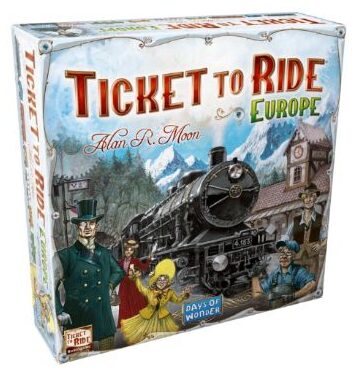
Ticket to Ride is all about collecting train cards and building railway routes across a map.
You need to plan ahead, complete routes and sometimes change your strategy when another player takes a connection you wanted.
Best for: Planning, strategy and collecting sets.
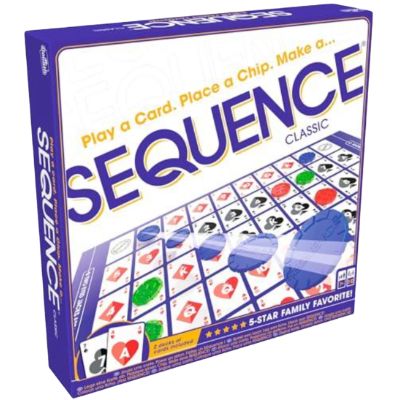
Sequence combines playing cards with a board game.
You use cards to place counters on matching spaces, trying to create a line before your opponents.
It’s relatively easy to understand the basic idea, but there’s plenty of strategy involved.
Best for: Card lovers who enjoy planning and spotting patterns.
Purpl Insight: Sometimes I want a game that really makes me think. I love how strategy games can keep you completely absorbed, even when there’s no time pressure and everyone is simply taking turns.
Sometimes you don’t want a serious strategy game. You just want to have a laugh.
These are some of the other games in our collection that are worth getting out when you’ve got family or friends around.
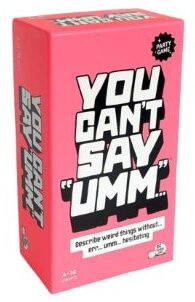
Don’t Say Um – Try describing something without using common filler words such as ‘um’ or ‘er’.
Sounds straightforward until you actually have to do it!
Best for: Fast thinking, talking and verbal challenges. It may be difficult for people with speech or processing difficulties.
In Taco Cat Goat Cheese Pizza, players reveal cards while repeating the game’s five words. When the card matches the spoken word, everyone races to slap the pile.
It’s fast, silly and a little chaotic.
Best for: Quick reactions and laughter. The physical speed element won’t suit everyone.
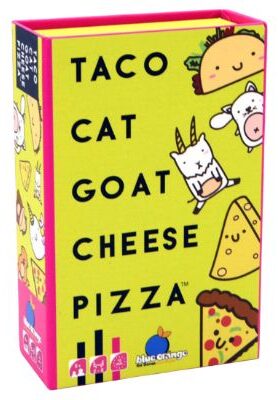
Find Taco Cat Goat Cheese Pizza on Amazon
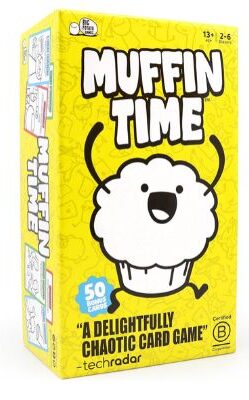
Muffin Time involves collecting cards while other players use actions, traps and counters to interfere with your plans.
Things can change very quickly, which makes it completely different from a predictable strategy game.
Best for: Unpredictable fun and silly humour.
Don’t Be a Dik Dik is one of the cheekier games in our collection!
It’s based around real animal and plant names that sound rather rude. You collect pairs while trying not to be left holding the Dik Dik card.
Best for: Adults and older teenagers who enjoy slightly ridiculous humour. The publisher recommends ages 16+.
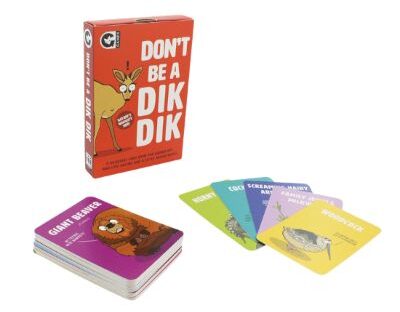
Find Don’t Be a Dik Dik on Amazon
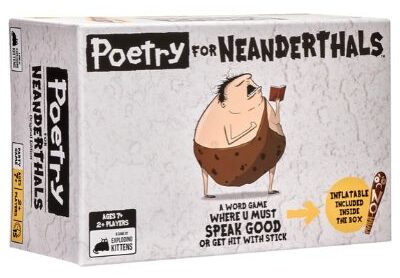
Poetry for Neanderthals is a hilarious word-guessing game from the makers of Exploding Kittens.
The idea sounds simple. You have to get your teammates to guess a word or phrase, but there’s a catch: you can only use words with one syllable!
Use a word with more than one syllable and the opposing team can give you a gentle bop with the inflatable ‘NO!’ stick.
It’s surprisingly difficult when you’re trying to describe something quickly, and that’s what makes it so funny.
Best for: Word lovers, quick thinking, family games nights and people who enjoy silly challenges.
Things to consider: It involves speaking, word retrieval and time pressure, which may be challenging for people with speech difficulties or slower processing. You can adapt the rules to make it more accessible.
Players: 2+ | Age: 7+ | Playing time: Around 15 minutes. Exploding Kittens
Find Poetry for Neanderthals on Amazon
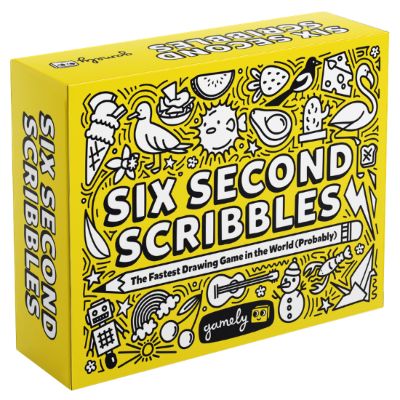
5 Second Scribble is all about racing against the clock to draw the things on your card.
The drawings don’t need to be good. In fact, that’s often what makes it funny.
Best for: Drawing, creativity and quick challenges. It could be difficult for people with tremors or reduced hand control.
Find 5 Second Scribble on Amazon
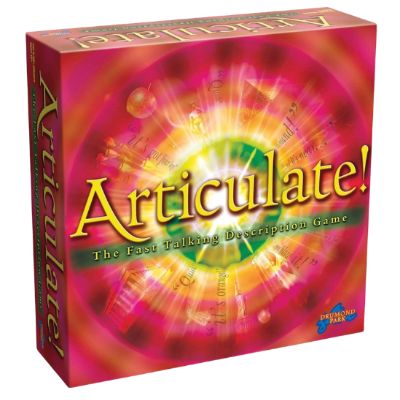
Articulate is a team game where you describe words without saying the actual word, hoping your teammates can guess correctly before the timer runs out.
It’s amazing how difficult it can be to explain something that seems obvious in your own head.
Best for: Team games, word lovers and fast thinking.
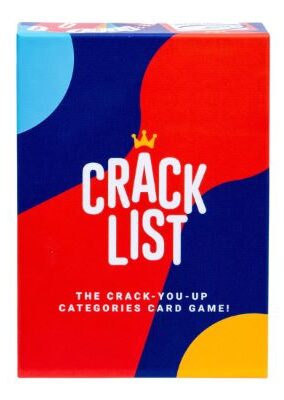
Crack List combines categories with letter cards.
You think of answers that match a category using the letters in your hand, trying to get rid of your cards before everyone else.
Best for: Word association, categories and creative thinking.
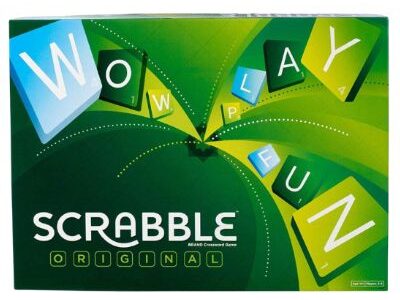
You can’t really beat a traditional game of Scrabble if you love words.
You create words from letter tiles and try to make the most of the spaces on the board.
And there’s always that moment when somebody plays a word nobody else has heard of!
Best for: Spelling, words and thoughtful strategy.
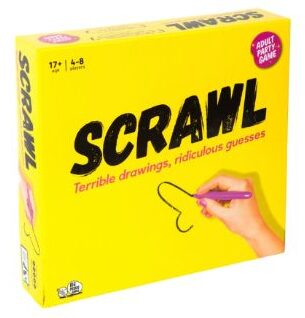
Scrawl is a drawing game where one person draws something, the next person interprets it, and somebody else draws that interpretation.
By the end, the original idea can be completely unrecognisable.
Best for: Drawing, creativity and laughing at terrible interpretations. Check the edition, as some contain adult humour.
Purpl Tip: If somebody finds timed challenges, drawing or quick reactions difficult, see whether you can adapt the rules. Removing a timer or allowing extra thinking time can make a game much more enjoyable for everyone.
Not every game involves the same type of competition. Some are about working together, while others challenge you to figure out what another player is thinking.
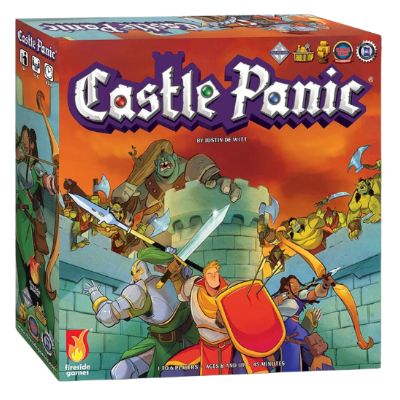
Castle Panic is a cooperative strategy game where everyone works together to defend a castle from approaching monsters.
You share decisions and plan your moves as a team, making it a lovely alternative if you don’t always want to compete against one another.
Best for: Cooperative strategy and players who prefer a shared goal.
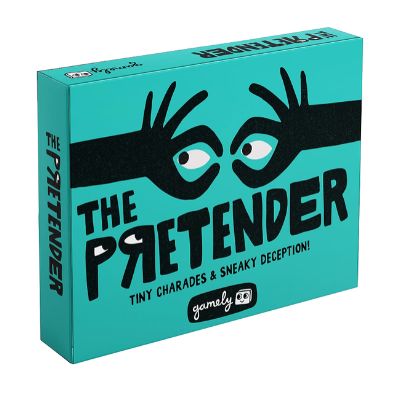
In The Pretender, everyone except one player knows the secret word.
Players act out clues connected to that word while the Pretender tries to blend in without giving away that they don’t know what everyone else is talking about.
Best for: Bluffing, deduction and trying to work out who’s pretending.
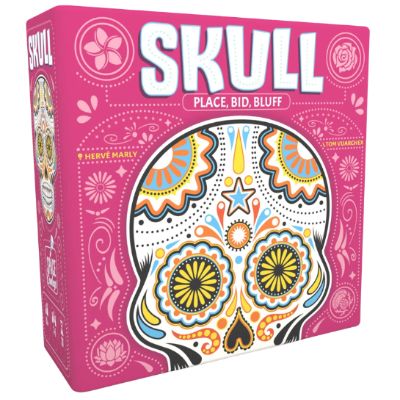
Skull is a clever bluffing game where players place discs featuring flowers and skulls face down.
You have to decide how many discs you can reveal without finding a skull.
It’s about taking risks and trying to work out whether other players are bluffing.
Best for: Bluffing and strategic risk-taking.
Purpl Insight: Research into autistic board gamers has found that some particularly enjoy cooperative games, but I think the important thing is having a choice. Some people love competition, others prefer teamwork, and there’s room for both.
The best game isn’t necessarily the one with the most reviews or the simplest rules. It’s the one that matches your interests, preferences and accessibility needs.
Here’s how I’d narrow things down.
If you enjoy clear rules, patterns and strategy, Qwirkle, Rummikub, Carcassonne and Ticket to Ride could be worth exploring.
Cooperative games like Castle Panic may also appeal to people who prefer working towards a shared goal.
However, being autistic doesn’t automatically mean you’ll enjoy a particular type of game. Some autistic adults love chaotic party games, while others prefer quieter, more predictable activities.
For people who enjoy quick decisions and variety, I’d suggest Flip 7, Pili Pili, Skyjo or Exploding Kittens.
But don’t overlook longer games such as Catan. Sometimes having something interesting enough to become completely absorbed in is exactly what you want.
I enjoy both types depending on how I’m feeling.
If you normally play as a couple, you don’t need a huge collection.
Some options from my list include:
Grab the Mic also supports two players, although I think the party atmosphere is part of its appeal.
One thing to check before buying is the minimum number of players. UNO Party, for example, needs a much bigger group.
When concentration is difficult, familiar games can be easier than trying to learn something completely new.
Flip 7, Skyjo and Skip-Bo may be worth considering if you enjoy games with relatively manageable rules and shorter rounds.
You can also take breaks during longer games rather than feeling you have to finish everything in one sitting.
Having MS, I know that how much energy you have can vary from one day to the next.
If you have MS, arthritis, tremors or another condition that affects your hands, it’s worth thinking about the physical demands of a game.
Rummikub, Scrabble and Mexican Train may be easier to adapt than games that involve fast reactions, depending on your needs.
A few things that can help include:
I’d be more cautious about games like Taco Cat Goat Cheese Pizza or Grab the Mic if someone finds quick hand movements difficult, unless you’re happy adapting how you play.
If you prefer teamwork, Castle Panic is one of the best choices from my collection.
Everyone works towards the same goal, rather than trying to beat each other.
UNO Teams is another option if you enjoy playing with a partner, although you’re still competing against the other team.
Purpl Tip: Accessibility isn’t just about physical movement. Clear instructions, time to process information, sensory needs, comfortable seating and the option to take breaks can all make games night more inclusive.
One of the things I love about board games is that once you’ve bought them, you can enjoy them again and again.
Of course, when you enjoy gaming as much as we do, building a collection can become expensive!
There are a few ways to make it more affordable.
You could borrow a game from friends before buying, look for complete sets in charity shops or try a game at a board game café before deciding whether it’s worth adding to your collection.
And if you’re buying online, I’d always recommend comparing prices rather than automatically purchasing from the first retailer you find.
Yes. Purpl has offers with participating toy and game retailers, so it’s worth checking what’s available before buying.
Big Potato Games
Big Potato Games creates party and family games, including Scrawl, and is one of the brands available through Purpl.
Eligible Purpl members can currently access 20% off full-price games, subject to the offer terms.
Check the Big Potato Games disability discount on Purpl
The Entertainer
The Entertainer sells a wide range of toys, games and family activities.
See The Entertainer offers on Purpl
The Happy Puzzle Company
If you enjoy puzzles and problem-solving, The Happy Puzzle Company is another participating retailer worth checking.
Explore Purpl’s toy and game discounts
I founded Purpl to help disabled people, people living with long-term health conditions, and eligible parents and carers save money on everyday purchases.
We work with hundreds of brands, helping members access savings across shopping, household essentials, technology, family activities and more.
You don’t need to receive PIP to join. We accept a range of evidence, including qualifying NHS letters and other disability-related documentation.
Find out how Purpl membership works
Purpl Tip: Before buying a game through Amazon, it’s worth checking whether Purpl has an offer with a retailer selling the same game. You might find a better price, particularly when buying several games together.
The best games depend on individual interests and accessibility needs. Qwirkle, Rummikub, Carcassonne and Ticket to Ride may appeal to autistic adults who enjoy patterns, structure and strategy. Cooperative games such as Castle Panic may suit people who prefer working together rather than competing.
Flip 7, Skyjo, Pili Pili and Exploding Kittens are worth considering if you enjoy quick decisions and variety. However, some adults with ADHD prefer longer strategy games such as Catan. There’s no single type of game that suits everyone with ADHD.
Rummikub, Carcassonne, Skyjo, Skip-Bo and suitable editions of Ticket to Ride are all worth exploring for two players. Grab the Mic can also be played by two people, although it’s designed to work with larger groups too.
UNO Party is designed for 6 to 14 players, making it a good choice for bigger gatherings. Grab the Mic supports 2 to 10 players and combines music, quick thinking and laughter. Games such as Articulate and Scrawl can also work well for groups, depending on the edition and number of players.
Board games can be an enjoyable activity for disabled adults, particularly when they suit individual accessibility needs. Some games may require adjustments such as card holders, larger pieces, additional processing time or assistance moving pieces.
Familiar games with manageable rules and no strict time pressure may be easier to enjoy. Skyjo, Skip-Bo and Mexican Train are possibilities, although the best choice depends on individual preferences and symptoms.
Some autistic people enjoy cooperative board games because they provide a shared goal and structured social interaction. Research has found relatively stronger preferences for cooperative gameplay among autistic hobbyist board gamers, but individual preferences vary.
Grab the Mic is a karaoke-style party game where players reveal a word and race to think of a song containing that word in its lyrics. The first person to grab the foam microphone must sing their answer. It’s designed for 2 to 10 players aged 8 and over.
Board games can provide repeated entertainment after the initial purchase. Buying second-hand, borrowing from friends and comparing prices can help reduce costs further. Eligible Purpl members can also check participating toy and game retailers for available savings.
We really do love playing games, and putting this article together has reminded me just how many different ones we’ve collected over the years.
If I had to choose my favourites, Catan, Canasta, Flip 7, Mexican Train, UNO Party, Carcassonne, Rummikub, Exploding Kittens, Pili Pili and Grab the Mic would definitely be on the list.
But what I love is that they’re all so different.
Some require plenty of concentration and planning, while others are just about having a laugh. And when you live with ADHD, MS or another condition that affects your energy and concentration, having different options can make spending time together much more enjoyable.
Whether you’re looking for a game to play as a couple, something for the whole family or a new challenge for your next games night, I hope this list has given you a few ideas.
And now I’d love to hear from you.
What’s your favourite board or card game? Have I missed one that you think we absolutely have to try?
We’re always looking for new additions to our collection!
I’m Georgina Colman, Founder of Purpl, a UK discount platform created to help disabled people and those living with long-term health conditions save money.
I was diagnosed with Multiple Sclerosis in 2003 and ADHD in 2024. As someone who lives with disability myself, I understand the extra costs and everyday challenges that can come with long-term health conditions.
I created Purpl to make life more affordable through discounts, practical advice and a supportive community.
Outside work, I love discovering new products, spending time with family and friends and, as you’ve probably gathered from this article, playing far too many board and card games!
If you enjoy finding affordable ways to have fun with family and friends, these Purpl guides and discounts are worth exploring.