
Download the app


© 2026. The Purpl Co Limited. All rights reserved.


Download the app
© 2026. The Purpl Co Limited. All rights reserved.
4 min read
Written by
Georgina, Founder of Purpl
Published on
October 28, 2026
Last reviewed: 28 October 2026
Written by: Georgina, Founder of Purpl | Disabled & Neurodivergent Advocate
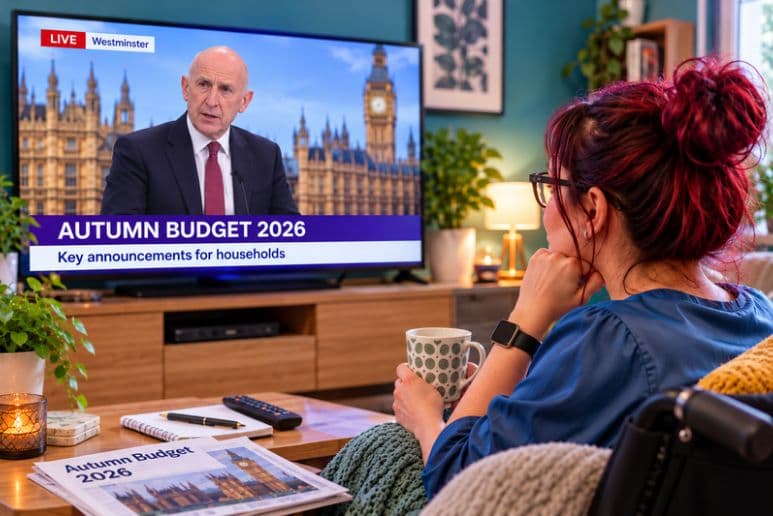
Today’s Autumn Budget, published by HM Treasury on 28 October 2026, brought announcements affecting disabled people and their families, particularly around energy bills, everyday living costs and support for unpaid carers.
But while there are reasons to be positive, it’s important to recognise that disabled people often face additional costs and don’t always have the same choices when it comes to managing their household finances.
The extension of VAT relief on electricity bills until July 2027 and the £100 energy payment for households in council tax bands A to D are welcome measures, particularly as we head into the colder months.
The suspension of import tariffs on more than 100 everyday products, including supermarket essentials, could also help reduce household costs, although the savings will depend on how much of those reductions reach shoppers.
The proposed removal of gas standing charges from next year is more complicated.
While removing standing charges could reduce bills for many households, the costs will instead be reflected in higher gas unit prices. For disabled people who need additional heating because of their condition, this could actually mean paying more.
For many disabled people, using less energy simply isn’t an option. Whether that’s keeping warm to manage symptoms, spending more time at home or relying on essential equipment, energy consumption isn’t always something people can control.
It’s important that these differences are recognised as the changes are introduced.
The announcement that Carer’s Allowance will no longer be lost entirely when someone exceeds the earnings threshold is a really positive step.
Carers contribute enormously, often while juggling employment, caring responsibilities and their own household finances. They shouldn’t be financially penalised for working a few extra hours.
The disappointment is that the changes aren’t expected until 2030/31. For carers facing financial pressures today, that’s a long time to wait.
We’re also encouraged by the government’s plans to increase the use of AI in the NHS, particularly to reduce administration and give healthcare professionals more time with patients.
For people living with long term conditions, who often have regular contact with healthcare services, better continuity of care, less paperwork and more meaningful time with practitioners could make a real difference.
The Chancellor’s commitment to improving a disability benefits system that isn’t fit for purpose is equally important. With the Timms Review expected later this year, there’s an opportunity to make sure the system better reflects the realities of living with a disability, including the additional costs people face.
As a disabled woman who founded Purpl, I was particularly pleased to see the announcement of a new scale-up programme for female founders and the British Business Bank doubling its commitment to women-led investment funds to £200 million.
I founded Purpl because my experience of living with multiple sclerosis made me realise there was a problem that needed solving.
What started as an idea to help disabled people save money has grown into a commercially ambitious business with a clear social purpose. We’re proving that building a successful business and making a meaningful difference to people’s lives can go hand in hand.
Supporting female founders isn’t just about helping more women start businesses. It’s about giving them the funding and opportunities to grow businesses that create jobs, solve problems and contribute to the economy.
There is plenty to welcome in today’s Budget, from measures to reduce everyday costs to commitments to improve healthcare and the benefits system.
But the real test will be how these announcements translate into everyday life.
Disabled people don’t always have the same opportunities to cut back, shop around or absorb unexpected costs. Making life more affordable means recognising those differences and ensuring support reaches the people who need it.
At Purpl, our purpose is to make everyday life easier and more affordable for disabled people. We’ll be following these announcements closely to understand what they mean for our community as more details emerge.
I’m Georgina, Founder of Purpl, and I live with Multiple Sclerosis and ADHD.
I started Purpl because I understand how much extra planning, energy and money everyday life can require when you live with a disability.
Through Purpl, we’re helping disabled people, those with long-term health conditions, and parents and carers reduce their everyday costs with exclusive discounts, practical advice and community support.
Our aim is to help make everyday life more affordable while reducing the extra costs of disability.