
Download the app


© 2026. The Purpl Co Limited. All rights reserved.


Download the app
© 2026. The Purpl Co Limited. All rights reserved.
13 min read
Written by
Georgina, Founder of Purpl
Published on
June 30, 2026
Last reviewed: 30 June 2026
Applies to: UK, with notes for Scotland and Northern Ireland
Written by: Georgina, Founder of Purpl
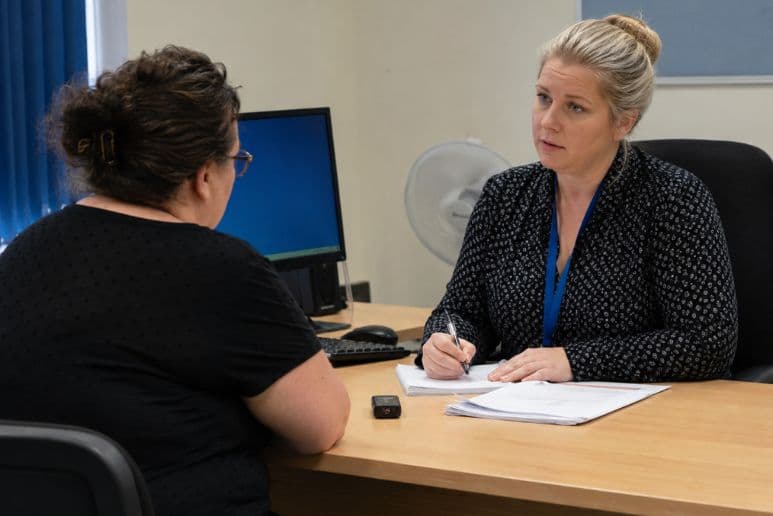
Yes. From Monday 29 June 2026, the Department for Work and Pensions started audio recording face-to-face and telephone health assessments as standard for several disability and sickness benefits. The system has changed from “you have to ask for a recording” to “the assessment will be recorded unless you opt out”.
This applies to health assessments for Personal Independence Payment (PIP), Universal Credit Work Capability Assessments, Employment and Support Allowance Work Capability Assessments and Industrial Injuries Disablement Benefit. GOV.UK says the change aims to improve transparency, assessment quality and trust in the health assessment process.
For many disabled people, this is huge. Not because recording fixes everything, but because so many people have told us they came away from assessments feeling that the written report did not reflect what they said. Some felt key details were missed. Others felt their pain, fatigue, anxiety, sensory needs, mobility issues or daily reality were made to sound less serious than they are.
At Purpl, we know how much a benefits assessment can affect someone’s life. It is not just an appointment. It can affect income, independence, transport, care, heating, food, equipment and the ability to manage the extra costs of being disabled.
Need help reducing the extra costs of disability? Purpl helps disabled people, people with long term health conditions, carers and families access discounts that can make everyday costs more manageable. If benefits, health appointments, travel, food, energy, mobility needs or disability related expenses affect your budget, you can explore the latest Purpl discounts and savings at https://www.purpldiscounts.com/
What has changed with DWP assessment recordings?
Why are DWP health assessments being recorded automatically now?
Which benefits does the automatic recording rule apply to?
Can you opt out of the new DWP recording rule?
Will video assessments be recorded automatically?
Can you get a copy of the DWP assessment recording?
How could a recording help with a PIP or WCA appeal?
What should you do before a recorded assessment?
What if being recorded makes you anxious or unsafe?
Why this matters for disabled people
Frequently asked questions (FAQs) about DWP assessment recordings
In summary
The biggest change is the default. Before 29 June 2026, claimants could ask for some DWP health assessments to be audio recorded. Now, face-to-face and telephone health assessments are recorded as standard unless the claimant opts out.
GOV.UK says the old system worked on an opt-in basis, and fewer than 3% of claimants used the option to have their assessment recorded. The new policy changes this to opt-out, so claimants do not need to request recording first (https://www.gov.uk/government/news/health-assessments-to-be-recorded-as-standard-in-major-transparency-drive).
Here’s why that matters. A health assessment can play a major role in a benefit decision. The health professional writes a report after the assessment, and the DWP decision maker uses that report, alongside other evidence, to decide whether someone qualifies for support, what rate they should receive, or which work capability group they should go into.
The PIP assessment guide explains that a health professional may assess a claim from paper evidence, or decide whether they need a telephone, video or face-to-face consultation. After the assessment, the health professional sends a report to the DWP decision maker (https://www.gov.uk/government/publications/personal-independence-payment-assessment-guide-for-assessment-providers/pip-assessment-guide-part-1-the-assessment-process).
The recording does not replace the written report. GOV.UK says written reports will still form part of the decision-making process, while audio recordings can provide a more accurate record if someone needs one.
What to check in your letter: Read your assessment appointment letter carefully. Look for anything about recording, how to opt out and how to ask for a copy later if you need one.
The DWP says it introduced automatic audio recording to improve transparency and trust in the benefits system. GOV.UK says disabled people, disability organisations and disability focused research have raised concerns about trust in the health assessment process (https://www.gov.uk/government/news/health-assessments-to-be-recorded-as-standard-in-major-transparency-drive).
That lack of trust did not come from nowhere. We hear from people in the Purpl community who say assessment reports have missed important details, misunderstood what they said or made their condition sound easier to manage than it is. Some people describe it as feeling like they had one conversation in the assessment, then read a completely different version in the report.
That is why this change is so important. A recording can help create a clearer record of what actually happened. It may also give claimants more confidence when they need to challenge a decision.
The DWP also says recordings will act as a learning tool to help improve assessment quality. This matters because quality has been one of the biggest issues in the disability benefits system for years.
GOV.UK says the government had already committed to making recording standard practice across assessments through its Pathways to Work Green Paper (https://www.gov.uk/government/news/health-assessments-to-be-recorded-as-standard-in-major-transparency-drive).
Realities of the system: Recording an assessment is not the same as making the assessment fair. It can help with evidence, but claimants still need assessors who understand fluctuating conditions, invisible disabilities, neurodivergence, chronic pain, fatigue, trauma and mental health.
The automatic audio recording rule applies to face-to-face and telephone health assessments for:
GOV.UK confirms this list in the 29 June 2026 announcement (https://www.gov.uk/government/news/health-assessments-to-be-recorded-as-standard-in-major-transparency-drive).
The health assessment provider can vary depending on where you live and which benefit you claim. GOV.UK’s health assessment provider guidance explains that some benefits need a health assessment, including Universal Credit, ESA, PIP where the assessor needs more information, and Industrial Injuries Disablement Benefit. It also explains that providers such as Maximus, Capita, Serco and Ingeus carry out assessments in different postcode areas on behalf of the DWP, with the DWP carrying out some assessments directly in certain areas (https://www.gov.uk/guidance/find-your-health-assessment-provider).
This is not only a PIP issue. A lot of people focus on PIP assessments because they are so widely discussed, but the new recording rule also affects Work Capability Assessments for Universal Credit and ESA.
If you live in Scotland, check which benefit your assessment relates to. Adult Disability Payment has replaced PIP in Scotland, and Social Security Scotland runs that benefit separately. However, Universal Credit and ESA remain DWP benefits, so the recording rule may still matter if your assessment relates to a DWP benefit.
A note on accessibility: Always check the benefit name on your appointment letter. PIP, Universal Credit, ESA and Industrial Injuries Disablement Benefit have different outcomes, even if the assessment process feels very similar.
Yes. GOV.UK says claimants who do not want their assessment recorded can opt out (https://www.gov.uk/government/news/health-assessments-to-be-recorded-as-standard-in-major-transparency-drive).
This means the DWP should not force you to have your assessment recorded if you choose not to. However, you should follow the instructions in your appointment letter or contact your assessment provider if you want to opt out. The letter may explain how to tell the provider, when to tell them and what happens next.
Some people may feel uncomfortable with recording because of trauma, anxiety, paranoia, domestic abuse risks, privacy concerns, cultural reasons, communication difficulties or fear of saying something “wrong”. Others may prefer recording because it gives them a record of the appointment.
There is no single right answer for everyone. The safest choice depends on your needs, your confidence, your privacy concerns and whether you think a recording may help if the decision later needs to be challenged.
If you feel unsure, you may want to ask:
Purpl Insight: Opting out is your choice, but make the decision carefully. A recording may feel uncomfortable, but it can also protect you if the written report does not reflect what happened.
The 29 June 2026 GOV.UK announcement specifically refers to face-to-face and telephone health assessments (https://www.gov.uk/government/news/health-assessments-to-be-recorded-as-standard-in-major-transparency-drive).
Existing DWP guidance for Work Capability Assessments says assessment providers can audio record telephone and face-to-face assessments on request, but that there is currently no facility for audio recording video assessments (https://www.gov.uk/government/publications/work-capability-assessment-audio-recording-of-face-to-face-assessments-faqs/employment-and-support-allowance-work-capability-assessment-audio-recording-of-face-to-face-assessments).
The PIP assessment guide also says assessment providers have the facility to audio record telephone and face-to-face consultations on request, but currently have no facility for audio recording video consultations (https://www.gov.uk/government/publications/personal-independence-payment-assessment-guide-for-assessment-providers/pip-assessment-guide-part-1-the-assessment-process).
So, do not assume a video assessment will automatically be recorded. If you have a video assessment and want a recording, contact the assessment provider before the appointment and ask what options exist.
Before you agree to a format: Ask whether the assessment will happen by phone, video or face-to-face. If recording matters to you, check the recording option before the appointment date.
GOV.UK says recordings will be made available to claimants who wish to appeal their initial benefit award (https://www.gov.uk/government/news/health-assessments-to-be-recorded-as-standard-in-major-transparency-drive).
This could help if you disagree with a decision and believe the written assessment report does not match what you said during the appointment. A recording may show whether the report missed details, misunderstood an answer or recorded something inaccurately.
At the time of writing, claimants should check their appointment letter, assessment provider guidance or DWP decision letter for the practical steps to request a copy. The route may depend on the benefit, the assessment provider and whether you need the recording for a mandatory reconsideration or appeal.
If you want a copy, write down:
It still helps to keep your own notes. After the assessment, write down what happened while it is fresh. Include questions you found difficult, anything the assessor misunderstood and anything important you did not get time to explain.
Practical step: Do not wait until you are upset by the decision to start gathering information. Keep dates, letters and notes together from the start.
A recording could help if you disagree with the assessment report or benefit decision. It may support you if the report says you said something you did not say, misses important details, or describes your answers in a way that does not match what happened.
For PIP, the assessment looks at how your condition affects daily living and mobility activities. The PIP assessment guide says the assessment should consider the overall impact of a health condition or impairment on functional ability, rather than focusing only on diagnosis (https://www.gov.uk/government/publications/personal-independence-payment-assessment-guide-for-assessment-providers/pip-assessment-guide-part-1-the-assessment-process).
For Universal Credit or ESA, the Work Capability Assessment looks at whether your health condition or disability affects your ability to work or carry out work related activity.
If you challenge a decision, you usually need to ask for a mandatory reconsideration first. GOV.UK explains that mandatory reconsideration is the process of asking the DWP to look at a benefit decision again before you appeal (https://www.gov.uk/mandatory-reconsideration).
A recording might help if:
But a recording will not automatically win a challenge. You still need to explain why the decision is wrong and how your condition affects the relevant benefit activities or descriptors.
Challenge checklist: Compare your form, the assessment report and the recording if you can access it. Look for what the decision missed, misunderstood or underplayed.
A recorded assessment can still feel stressful. Preparation gives you a bit more control.
Before the assessment, try to:
Preparing for a DWP health assessment can also come with extra costs. You might need to print paperwork, organise transport, pay for a delivery because you are too exhausted to shop that week, or replace headphones, chargers or stationery so you can manage the appointment more easily. Purpl members can access disability discounts across everyday essentials, including supermarkets, technology, mobility support, wellbeing and home items, which can help reduce some of these added costs: https://www.purpldiscounts.com/household-essentials-disability-discounts
The PIP easy read guidance says you can let the assessment provider know if you need extra support for your assessment, and appointment letters should tell claimants what they need to do before the assessment (https://assets.publishing.service.gov.uk/media/6887421bcec9ccd515ae09c2/easy-read-what-to-expect-at-personal-independence-payment-assessment.pdf).
The hardest part for many people is answering clearly under pressure. This is where preparation matters. Instead of saying “yes, I can cook”, explain what actually happens. Can you do it safely? How often? Do you need prompting? Did you forget to add an ingredient? Do you burn yourself? Did you have to sit down? Does pain or fatigue stop you afterwards?
In the Purpl community, we often hear from people who say they underplayed their needs because they felt embarrassed, rushed or scared of sounding dramatic. Please remember this: the assessment needs your reality, not your best performance.
Founder note: Do not perform wellness during an assessment. Explain what life looks like on real days, including support you need, things you avoid, risks you manage and what happens after you push yourself.
If being recorded makes you anxious, you can opt out. GOV.UK says claimants who do not wish to have their assessment recorded may opt out (https://www.gov.uk/government/news/health-assessments-to-be-recorded-as-standard-in-major-transparency-drive).
You may also be able to ask for reasonable adjustments if the assessment process creates barriers because of your disability or health condition. This could include extra time, a different appointment format, support from another person, communication adjustments or a quiet environment.
For some people, recording may increase anxiety because they worry about every word. For others, recording may reduce anxiety because they know there is a record. What matters most is whether you can explain your needs properly and safely.
If you feel worried, try to get advice before the assessment. You could speak to Citizens Advice, a welfare rights adviser, a disability charity, a support worker, a carer or someone who understands the benefit process.
Privacy and safety matter too. If someone else controls your phone, post or personal information, or if you are in an unsafe household, ask for specialist advice about how to manage contact from the DWP or assessment provider safely.
A note on safety: If recording will make it harder for you to communicate, explain this before the assessment. Ask what adjustments are available and keep a note of who you spoke to.
Here’s the reality: benefits assessments are not just admin. They can affect someone’s income, independence, housing security, care, mobility, mental health and ability to manage the extra costs of disability.
For many disabled people, the assessment is one of the most stressful parts of claiming support. You may have to explain personal, painful or distressing details to someone you have never met. You may worry that the assessor will not understand fluctuating conditions, masking, fatigue, pain, sensory overload, trauma, mental health or neurodivergence.
A recording can help because it creates a clearer record. It may reduce disputes about what someone said. It may also help claimants who feel the written report does not match the conversation.
But recording should not become a sticking plaster over deeper problems. Disabled people still need better assessment quality, better training, accessible communication and proper use of medical evidence. The system needs to understand real life disability, not just record the conversation.
At Purpl, we also see this as a cost of living issue. When a benefit decision goes wrong, disabled people and families can lose vital money that helps pay for transport, heating, care, food, equipment, therapies, mobility needs and everyday essentials.
These are not luxury choices. They are survival costs.
That is exactly why Purpl exists. When disability already costs more, every saving can help, whether that is money off food shops, household essentials, mobility products, broadband, energy switching, clothing, health products or accessible days out. You can browse Purpl’s disability discounts here: https://www.purpldiscounts.com/brand
Community reality: Recording assessments as standard could help with transparency, but disabled people still need fair decisions, good evidence gathering and assessors who understand what disability actually costs.
Yes. From 29 June 2026, DWP face-to-face and telephone health assessments for certain disability and sickness benefits are audio recorded as standard unless the claimant opts out.
The DWP says the change aims to improve transparency, improve assessment quality and rebuild trust in the health assessment process. GOV.UK says fewer than 3% of claimants used the previous opt-in recording option.
Yes. GOV.UK says claimants who do not want their assessment recorded can opt out. You should check your appointment letter or contact your assessment provider to find out how to do this.
The rule applies to face-to-face and telephone assessments for Personal Independence Payment, Universal Credit Work Capability Assessments, Employment and Support Allowance Work Capability Assessments, and Industrial Injuries Disablement Benefit.
Yes. The rule applies to PIP assessments where a face-to-face or telephone health assessment takes place. PIP does not always need an assessment if the evidence already allows a decision.
Yes. The rule applies to Universal Credit Work Capability Assessments when they take place by telephone or face-to-face.
Yes. The rule applies to Employment and Support Allowance Work Capability Assessments when they take place by telephone or face-to-face.
The 29 June 2026 announcement refers to face-to-face and telephone assessments. Existing DWP guidance says there is currently no facility for audio recording video assessments, so claimants should check with their assessment provider if they have a video appointment.
GOV.UK says recordings will be made available to claimants who wish to appeal their initial benefit award. If you need a copy, check your decision letter, appointment letter or assessment provider guidance.
No. GOV.UK says written reports will still form part of the decision-making process. The audio recording can provide a more accurate record if needed.
Yes, it may help if the written report does not accurately reflect what you said or what happened during the assessment. You still need to explain why the decision is wrong and provide relevant evidence where possible.
That depends on your circumstances. Some people may feel safer with a recording because it creates a record. Others may feel too anxious or uncomfortable. If you are unsure, consider getting advice before opting out.
From 29 June 2026, the DWP started recording face-to-face and telephone health assessments as standard for PIP, Universal Credit Work Capability Assessments, ESA Work Capability Assessments and Industrial Injuries Disablement Benefit.
This changes the system from opt-in to opt-out. You no longer need to ask first for a recording in the same way, but you can opt out if you do not want your assessment recorded.
The DWP says the change aims to improve transparency, trust and assessment quality. Recordings may also help claimants who need evidence for a mandatory reconsideration or appeal.
But recording alone will not fix everything. You still need to prepare, explain your needs clearly and check your assessment report and decision carefully. If the decision does not reflect your reality, get advice as soon as possible.
For disabled people, this change could help create a clearer record of what happened during one of the most stressful parts of the benefits process. The key is knowing your rights before the appointment, not after something has gone wrong.
Georgina is the Founder of Purpl, a disability discount platform created to help disabled people, people with long term health conditions and their families manage the extra costs of everyday life. Through Purpl, Georgina shares practical guidance, lived experience, savings support and disability related information in a way that feels clear, human and useful.
Purpl exists because disability is expensive, and disabled people deserve access to support, savings and information that makes life a little easier.
Whether you’re making your first PIP or ADP claim or preparing for a review, keeping a daily record of how your condition affects you can make completing your forms much easier.
The free Purpl PIP & ADP Tracker helps you build that record as you go, so when you need the information, it’s already there.
Learn more about the free PIP & ADP Tracker purpldiscounts.com/piptracker
Disability Benefits and Support Handbook: https://www.purpldiscounts.com/uk-disability-benefits
Step-by-step guide to preparing for a PIP assessment: https://www.purpldiscounts.com/blog/step-by-step-guide-pip-assessment
PIP points calculator & guide: https://www.purpldiscounts.com/blog/pip-points-calculator
PIP rejected? What to do next: step-by-step UK guide: https://www.purpldiscounts.com/blog/pip-rejected-what-to-do-next-uk
Supermarket discounts for people with disabilities: https://www.purpldiscounts.com/supermarket-disability-discount
Disability aids and healthcare discounts: https://www.purpldiscounts.com/category/disability-aids