
Download the app


© 2026. The Purpl Co Limited. All rights reserved.


Download the app
© 2026. The Purpl Co Limited. All rights reserved.
3 min read
Written by
Purpl
Published on
September 4, 2025
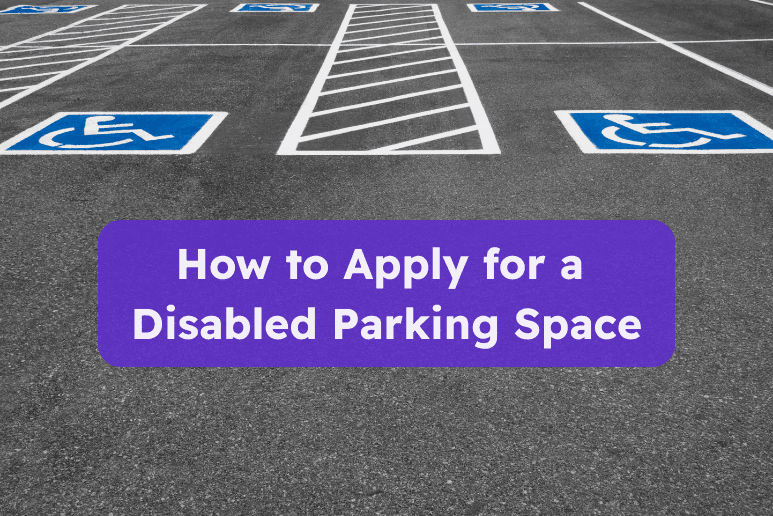
If you, or someone you care for, has mobility difficulties, a disabled parking space can make a huge difference. Whether it’s a personal parking bay outside your home or a permit to use designated Blue Badge spaces, knowing how to apply is the first step.
This guide will walk you through the process of applying, the requirements, costs, and what to expect, so you’re not left second-guessing.
In the UK, the term can mean two different things:
Both require an application, but the process is slightly different.
Most people start with a Blue Badge application. The badge lets you park in disabled bays across the UK and is recognised by most councils.
Processing times vary but are usually up to 12 weeks, so it’s worth applying early.
When people say “disabled parking permit,” they usually mean a Blue Badge. The application is the same as above, and costs:
If you live in Northern Ireland, you can apply via nidirect.
If you already have a Blue Badge but find it difficult to park near your house, you can ask your local council to mark out a dedicated bay.
These spaces are usually “advisory” (not legally enforceable), though some councils can make them enforceable if needed.
Before applying for a home bay, councils will look at:
It can take several months for a bay to be approved and painted, so patience is key.
Getting a Blue Badge doesn’t mean you can park anywhere. Rules include:
Breaking these rules can result in fines or even your badge being taken away.
Q: How to apply for a disabled parking badge online?
A: Use the GOV.UK Blue Badge application form, provide your details and documents, and pay the relevant fee. It takes up to 12 weeks to process.
Q: How do I get a disabled parking permit in the UK?
A: Apply for a Blue Badge through GOV.UK (or nidirect in Northern Ireland). Once approved, you’ll receive your permit by post. Costs depend on where you live: £10 in England, £20 in Scotland, free in Wales.
Applying for a disabled parking space doesn’t have to be complicated. Start with a Blue Badge application if you don’t already have one, and if you need extra help near your home, contact your council about a dedicated bay.
The key is knowing where to apply and having your documents ready. Once approved, your badge – or bay – can make daily journeys a lot less stressful.

Sammi is autistic, has ADHD, and lives with POTS. She’s passionate about disability advocacy, accessibility, and creating spaces where people feel seen, heard, and understood. With a sharp sense of humour and a deep love for community, she speaks openly about the realities of being neurodivergent across all of her personal platforms, always aiming to challenge stigma, spark conversations, and remind others they’re not alone.
Other articles you might like:
How to Apply for a Disabled Blue Badge – Everything you Need to Know
Blue Badge Holders: Act Now to Avoid Paying £195 in Road Tax
Airport Parking for Blue Badge Holders – A Guide to Holiday Parking for Disabled People
How to Replace a Lost, Damaged, or Stolen Disabled Blue Badge